
Creative WordPress Themes for Designers, Agencies & Creatives



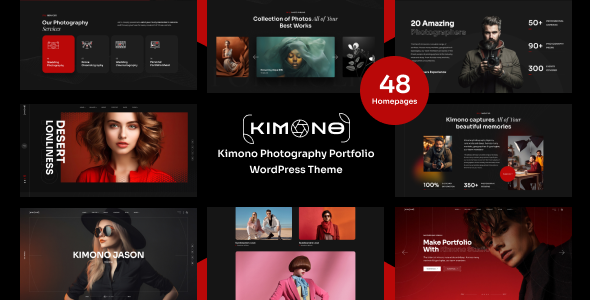
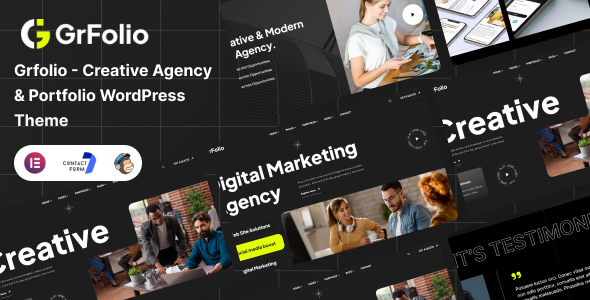
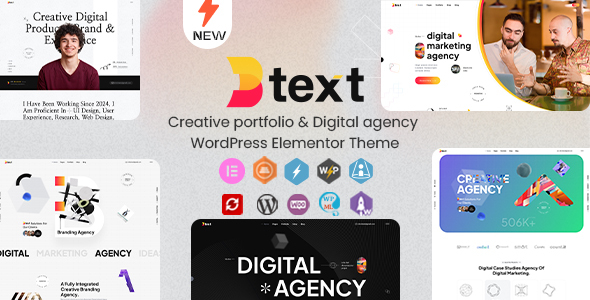
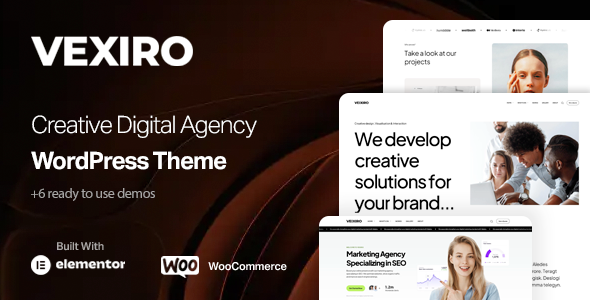

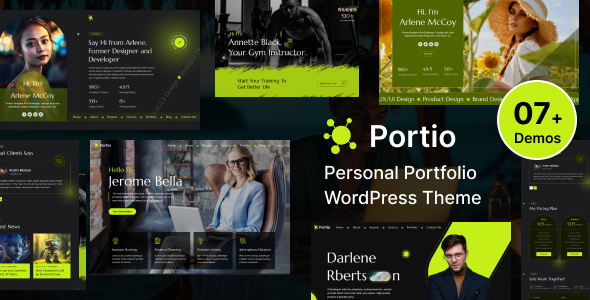
What Does “Creative” Mean in a WordPress Theme?
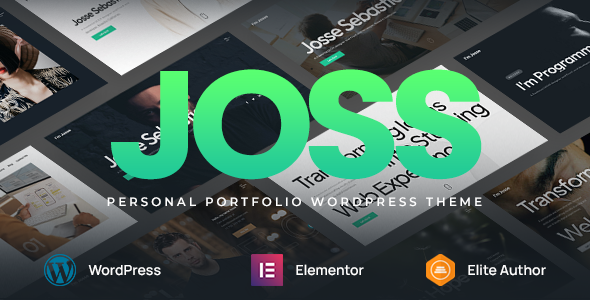
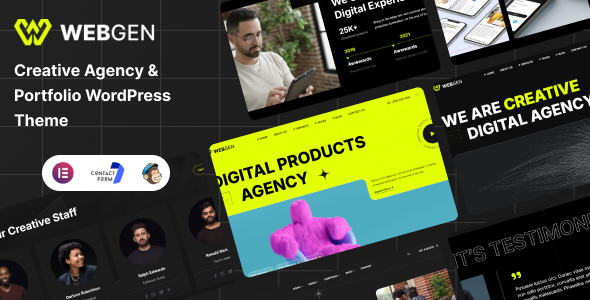
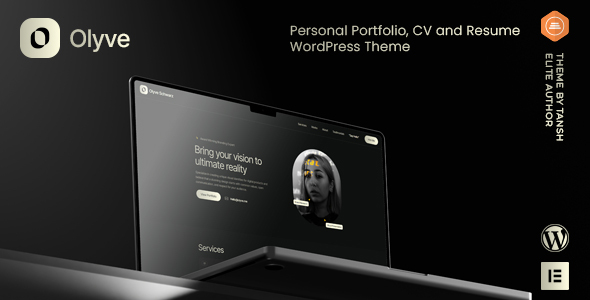
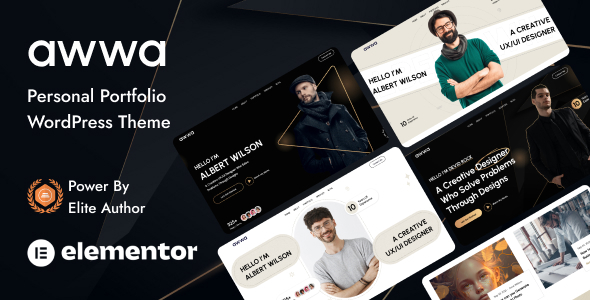
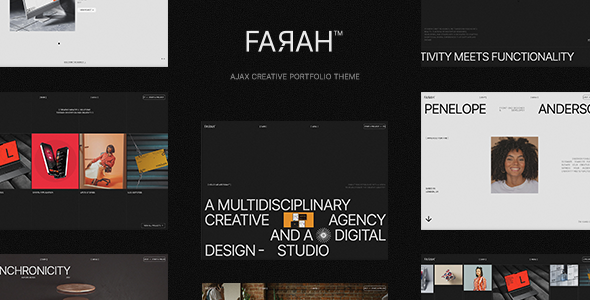
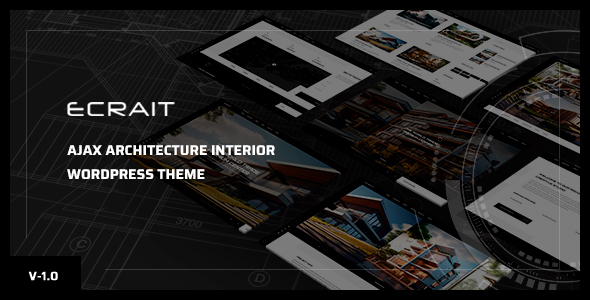
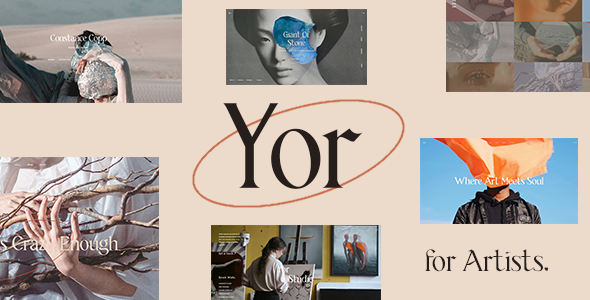
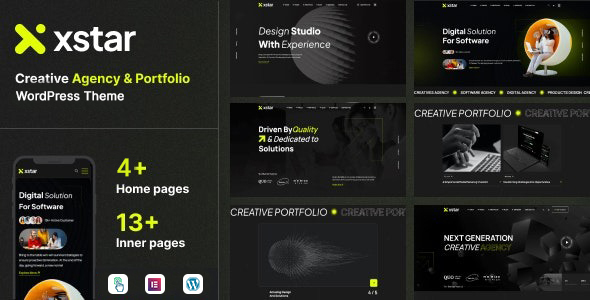
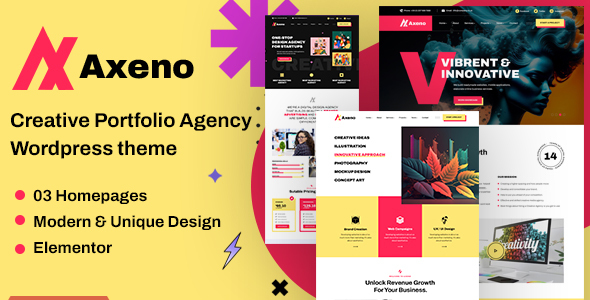
A “creative” WordPress theme is designed to put visual expression, storytelling, and personality front and center.
These themes usually focus on layout flexibility, strong typography, animation, and unconventional page structures
rather than rigid corporate templates. The goal is to help a site stand out and communicate a brand or idea visually,
not just functionally.
Creative themes often give you more freedom in how content is presented, whether through grids, sliders,
full-screen sections, or interactive elements.
Who Are Creative WordPress Themes Made For?
Creative WordPress themes are built for people and businesses that want their website to feel distinctive.
This includes freelancers, studios, agencies, startups, and brands that rely on presentation and first impressions.
They are especially popular among users who want a site that reflects style, mood, or identity rather than
following a standard brochure layout.
Are Creative Themes Only for Creative Professionals?
No. While designers, photographers, and artists use them a lot, creative themes are not limited to “creative people”
only. Many non-creative businesses use them to appear modern, approachable, or premium.
For example, consultants, SaaS companies, restaurants, and even tech startups often use creative themes
to differentiate themselves from competitors using generic layouts.
In Which Industries Can Creative Themes Be Used?
Creative WordPress themes are surprisingly versatile. They are commonly used in:
- Design and branding agencies
- Photography and videography
- Art, illustration, and digital media
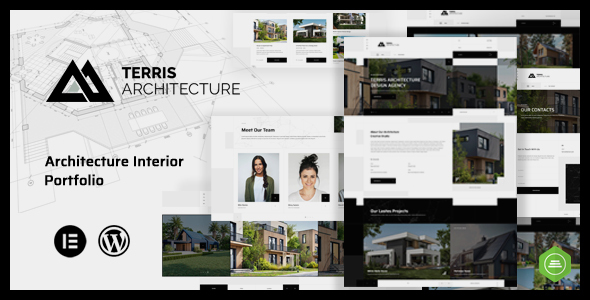
- Architecture and interior design
- Fashion and lifestyle brands
- Music, events, and entertainment
- Startups and personal brands
- Small businesses that want a modern look
As long as clarity and usability are maintained, creative themes can work in almost any field.
Main Types of Creative WordPress Themes
Creative themes usually fall into a few broad categories:
- Portfolio themes
- Photography themes
- Artist and personal brand themes
- Agency and studio themes
- Experimental or concept-driven themes
Each type emphasizes a different way of presenting content.
What Are Portfolio Themes Used For?
Portfolio themes are designed to showcase work. They focus on projects, case studies, images, and videos rather than
long blocks of text. These themes usually include grid layouts, filters, project pages, and smooth navigation
between items.
They are commonly used by designers, developers, agencies, architects, and freelancers who want potential clients
to quickly see what they can do.
Who Are Photography Themes Best For?
Photography themes are built for image-heavy websites. They prioritize image quality, spacing, galleries,
and full-screen visuals. Many include features like lazy loading, lightboxes, and slideshow presentations.
They are ideal for photographers, videographers, travel bloggers, and brands where visuals are more important
than text.
How Are Themes for Artists Different?
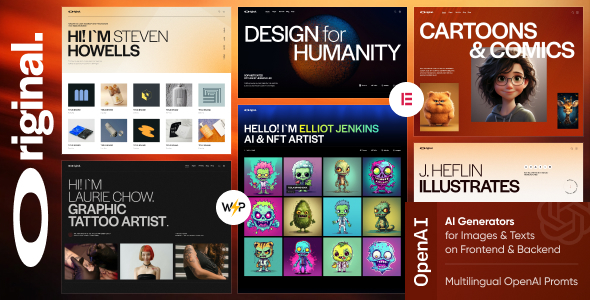
Themes made for artists often focus more on mood and expression than structure. They may use unconventional layouts,
bold typography, abstract animations, or minimal navigation.
Unlike standard portfolio themes, artist-focused themes are less about explaining projects and more about
evoking emotion or showcasing a unique personal style.
What Are Experimental WordPress Themes and Are They Reliable?
Experimental themes push design boundaries. They may use unusual scrolling behavior, creative transitions,
or non-traditional navigation.
In terms of reliability, it depends on the developer. Well-built experimental themes are perfectly usable,
but they may require more testing and may not suit content-heavy or SEO-driven projects. They work best for campaigns,
personal projects, or brand statements rather than complex business websites.
Can One Theme Be Used for Different Types of Businesses?
Yes. A well-designed creative theme is flexible enough to adapt to different industries. The same theme can be used
for a design studio, a startup landing page, or a personal brand site simply by changing layouts, colors, fonts,
and content structure.
The key is choosing a theme that offers layout options rather than forcing a single visual style.
How to Choose the Right Creative WordPress Theme
When selecting a creative theme, focus on practical fit, not just visuals:
- Does it support the type of content you need?
- Is it easy to navigate and read?
- Is it actively maintained and updated?
- Does it work well with popular plugins?
- Does it load fast enough for your audience?
A beautiful demo is meaningless if the theme cannot support your real content.
What Do You Need Before Installing a WordPress Theme?
Before installing a creative WordPress theme, it helps to have a few basics in place:
- First, you need web hosting and a domain name, as these provide the space where your website will live. Most modern hosting providers make WordPress installation quick and beginner-friendly.
- Once WordPress is installed, you should make sure your hosting environment meets the theme’s requirements. It is also useful to have a basic content plan ready, such as which pages you need, what sections they will include, and what the main goal of the site is.
- In addition, preparing your brand assets in advance, including your logo, color palette, and fonts, will make the setup process faster and more intentional.
This makes setup faster and more intentional.
How Easy Is Customization Without Code?
Most modern creative themes are built to be customized without writing code. They rely on the WordPress Customizer, the block editor, or built-in theme options that allow you to adjust layouts, colors, fonts, and spacing visually.
This makes it possible for beginners to create a polished site by replacing demo content with their own images and text. However, deeper customization or very specific design changes may still require custom CSS or help from a developer.
Why Documentation Matters
Good documentation saves time and frustration. It explains how the theme is structured, which plugins are required, how demo content works, and how to avoid common setup mistakes.
Themes with clear and well-organized documentation are much easier to manage, especially if you return to the site after a long break and need a quick refresher.
Where to Get Help If You Run Into Problems
If you run into issues while setting up a creative WordPress theme, the main place to seek help is the theme author’s official support channel. ThemeForest authors typically provide reliable support and detailed guidance for their themes.
In many cases, the included documentation and tutorials are enough to resolve common setup questions. Community forums can also be useful for practical tips from other users. For advanced customization or time-sensitive projects, hiring a WordPress professional or freelancer may be the most efficient option.
When Should You Consider Hiring a Professional?
Hiring a professional or freelancer makes sense when:
- You want a custom look beyond theme options
- Time is more valuable than learning setup details
- The site is critical for business or revenue
- You need performance, SEO, or accessibility tuning
A good developer can help you get the most out of a creative theme without breaking its structure.