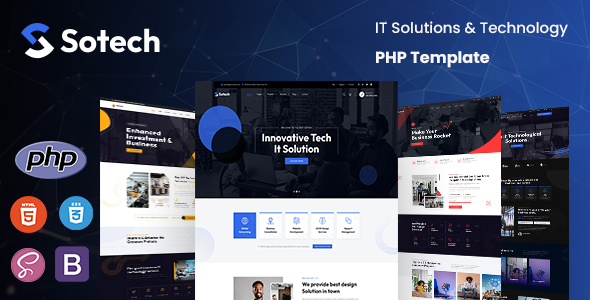
Qore is a Next.js template specifically built for AI, SaaS, and startup landing pages, offering a solid frontend foundation for developers launching new product websites.
Solving the Frontend Bottleneck for AI SaaS Landing Pages
Building a new landing page for an AI-powered SaaS product or startup from the ground up can eat up significant development time, especially when you need to focus on core product logic. This Qore Next.js template solves that specific workflow problem by providing a pre-built, well-structured frontend. It means less time spent on initial setup, component creation, and styling boilerplate, allowing teams to push a professional-looking site live faster.
For agencies needing fast turnarounds on client projects, or individual developers trying to validate a new idea, investing in a template like this saves hundreds of hours. You get a head start on presenting features, pricing, and testimonials without reinventing the wheel on every project.
Examining the Technical Foundation and Developer Experience
This template is built on React and Next.js, using TypeScript, which is a solid, modern stack for any web project aiming for performance and maintainability. The decision to use custom CSS and SCSS for styling, rather than a utility-first framework like Tailwind, is a notable choice. While it means more verbose styling, it offers complete control and can lead to smaller CSS bundles if managed well. This approach is beneficial for teams who prefer a traditional cascade and have specific design system requirements, ensuring lower long-term maintenance costs by avoiding framework lock-in.
From a performance perspective, Next.js provides advantages like server-side rendering and static site generation, which are excellent for Core Web Vitals and initial page load times. The template includes standard accessibility practices in its semantic HTML structure, which is crucial for SEO and ensuring a wider audience can interact with the site.
- File Structure: The project's component organization is logical, making it straightforward to locate and modify specific UI elements. This helps new team members get up to speed quickly.
- Styling Approach: Custom SCSS modules keep styles scoped and manageable. This can be easier to debug than deeply nested utility classes when dealing with complex layouts.
- Responsive Behavior: The layouts handle various screen sizes effectively, which is standard but well-executed here. The mobile menu collapses cleanly without jank.
- Asset Loading: Next.js's built-in image optimization is utilized, which means faster loading images and a better user experience for site visitors.
- TypeScript Integration: Using TypeScript throughout the project helps catch common coding errors early, improving code reliability and making team collaboration smoother.
- Animation Libraries: `GSAP` and `Wowjs` are included for animations. While they can add visual flair, it is important to use them judiciously to avoid impacting performance or user experience with excessive motion.
What Impresses: A Focused Approach to SaaS Landing Page Development
What stands out is the template's focus. It doesn't try to be an all-encompassing solution for every website type. Instead, it concentrates on the core needs of an AI or SaaS landing page: clear feature presentation, transparent pricing, social proof through testimonials, and a strong call to action. This specialized approach means less bloat and more relevant components. The clean typography and layout ensure content remains readable, which is critical for conversion-ready funnels.
The use of modern React and Next.js, combined with TypeScript, gives it a robust foundation that feels ready for production. When we tested the kit on a demo site, the initial setup process was standard for a Next.js project, and swapping out content or adjusting primary colors was intuitive within the SCSS files.
Who Benefits Most from this Next.js Startup Template
This Qore Next.js template is ideal for development agencies building multiple AI or SaaS client sites, individual entrepreneurs launching their own software products, and teams that prefer a custom CSS/SCSS workflow over utility-first frameworks. It provides a significant head start on frontend development for a specific niche.
It is not for those needing deep custom backend logic tightly coupled with the frontend, or projects where the team is exclusively committed to a utility-first CSS framework like Tailwind.
Practical Limitations of the Qore Next.js Template
While the custom CSS approach offers flexibility, it also means a slightly steeper learning curve for developers accustomed to utility-first frameworks, potentially requiring more upfront styling work. The number of pre-built inner pages beyond the main landing structure is somewhat limited, which might require additional development if your project expands quickly beyond a simple landing page. The overall design, while clean and functional, doesn't offer anything particularly groundbreaking; it's a solid, market-average aesthetic that gets the job done without much fuss.
Final Thoughts: Is it worth it?
After building multiple agency sites with tools like this, Qore stands out as a practical choice for anyone needing to quickly deploy a professional AI or SaaS landing page. It provides a well-engineered Next.js foundation, saving significant time on initial development and styling. If you value a clean codebase, a modern tech stack, and a focused approach to landing page design, this template is a smart investment that will pay off in saved development hours and faster project launches.
FAQ
Is Qore suitable for a multi-page SaaS application, or just a landing page?Qore is primarily designed as a landing page template, providing essential sections for showcasing an AI or SaaS product. While it offers a solid foundation, expanding it into a full-fledged multi-page application would require significant custom development for additional internal pages and functionalities.
How difficult is it to integrate third-party APIs for AI features?Integrating third-party APIs for AI features is straightforward, as this is a frontend template built with Next.js. You would typically handle API calls in your React components or via Next.js API routes, then display the results within the existing UI structure.
What is the learning curve like for developers unfamiliar with Next.js or custom SCSS?For developers new to Next.js, there will be a moderate learning curve to understand its routing, data fetching, and component structure. The custom SCSS styling approach might also require some adjustment if you are more familiar with utility-first CSS frameworks.
Does this template include any backend functionality for user management or content updates?No, Qore is a purely frontend template. It does not include any backend functionality for user management, content updates, or database interactions. You would need to integrate a separate backend system or a headless CMS for these capabilities.