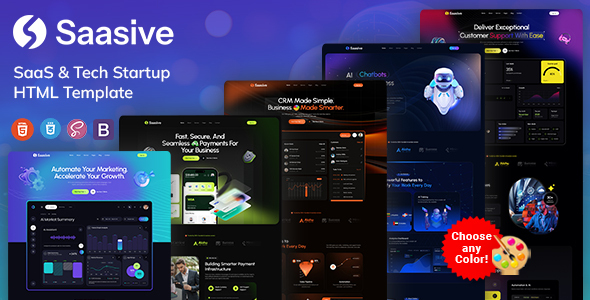
Anaton is a Next.js template for SaaS landing pages, AI writers, and startups, leveraging React and Bootstrap. It offers pre-built pages for agencies and freelancers needing fast deployment.
Anaton: A Practical Next.js Template for SaaS Landing Pages
From a developer's perspective, Anaton is a solid starter kit if you need to get a modern SaaS landing page up and running without starting from scratch. It’s built on Next.js with React and uses Bootstrap for styling, which is a common and predictable stack. This template aims to cut down the initial setup time for your front-end, especially for marketing sites that need to look sharp and load quickly.
Who Benefits from This Next.js Template and Who Should Skip It
This template is for agencies or freelance developers who regularly build client sites for startups, AI writer services, or small SaaS businesses. If your workflow involves delivering polished, conversion-focused landing pages under tight deadlines, Anaton provides a decent foundation. It’s also suitable for a startup founder with some development chops who wants to build their own initial online presence without hiring a full-stack team for the front end.
However, if you are looking for a full-blown web application with complex backend logic, user authentication, or database interactions, this isn't it. This is a front-end template, designed specifically for landing pages. It’s also not for someone who prefers a drag-and-drop builder or has no experience with React, Next.js, or TypeScript, as you will need to dive into the code to make significant changes.
Layouts and Components for Rapid Development
Anaton includes what they call "all required pages," which typically means your standard landing page sections: hero, features, testimonials, pricing, contact, and perhaps a basic blog or services layout. When we tested the kit on a demo site, the component structure felt logical enough. The use of dynamic routes suggests you could easily manage content for sections like services or case studies without hardcoding every page, which is a nice touch for scalability.
The template leverages common libraries like Swiper Slider for carousels and React Modal Video, which are standard choices. This means most developers will already be familiar with how to customize them. This approach saves time on component selection and initial integration.
Code Quality and Developer Experience
The template is built with Next.js and React, incorporating TypeScript, which is a strong point for maintainability and reducing runtime errors. After building multiple agency sites with tools like this, having TypeScript support from the start is a significant advantage, especially for larger teams or long-term projects. The mention of "well commented code" and a "well-documented file structure" is a good sign, as it directly impacts how quickly a new developer can jump in and understand the project.
From a performance standpoint, Next.js is generally good for Core Web Vitals, and this template's focus on a landing page means less heavy lifting. Asset loading feels optimized, which translates to better initial page load times for visitors, a practical benefit for any business owner concerned with user experience and conversion rates.
- TypeScript support helps catch errors early and improves code readability for future maintenance.
- Logical file structure means less time wasted searching for specific components or styles.
- Bootstrap integration provides a familiar and robust CSS framework for styling adjustments.
Responsiveness and Browser Compatibility
Built with Bootstrap, the template handles responsiveness well across different devices. This is standard for most modern templates, but it's crucial for a landing page where you expect traffic from various sources. Cross-browser optimization is also mentioned, meaning it should render consistently on Chrome, Firefox, Safari, and Edge. This reduces the headache of debugging layout issues on different platforms, ensuring a consistent user experience for potential clients.
SEO Readiness for Search Engine Visibility
The template claims an "SEO-friendly structure" and W3C validation. In our experience, this usually means clean, semantic HTML and proper heading hierarchy, which are fundamental for search engines to understand your content. While a template alone doesn't guarantee top rankings, a solid technical SEO foundation like this is crucial. It means less work for you later to clean up structural issues that could hinder search engine performance, ultimately helping potential customers find your SaaS business online.
Final Thoughts on Anaton
Anaton is a practical choice if you need to launch a clean, modern SaaS landing page quickly using a popular React framework. It solves the workflow problem of starting a Next.js project from scratch, offering a ready-made structure and components. The inclusion of TypeScript and a clear file structure makes it more maintainable than many market-average templates.
While the design is clean, it's not groundbreaking; it's a solid, functional aesthetic. This template won't build your entire SaaS application, but it will give you a strong, performant front-end for your marketing efforts. For agencies building startup websites quickly or freelancers looking for a reliable Next.js template for SaaS landing page development, this is a sensible investment that will save development hours on initial setup and styling.
FAQ
Does this template include a backend or database setup?No, Anaton is a front-end Next.js template designed for static or dynamically routed landing pages; it does not come with a backend or database system.
How easy is it to update content for a SaaS landing page using this template?Updating content requires editing the React components or data files directly. While the structure is clean, it's not a visual editor, so some familiarity with code is needed.
What level of Next.js or React experience is needed to customize this?You'll need a basic to intermediate understanding of React, Next.js, and JavaScript/TypeScript to effectively customize and maintain this template beyond simple text changes.
Will this template impact my website's loading speed?Built with Next.js, the template is generally optimized for performance, which helps with fast loading speeds and better Core Web Vitals, contributing to a good user experience.