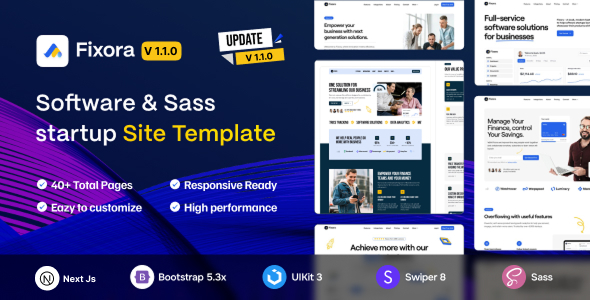
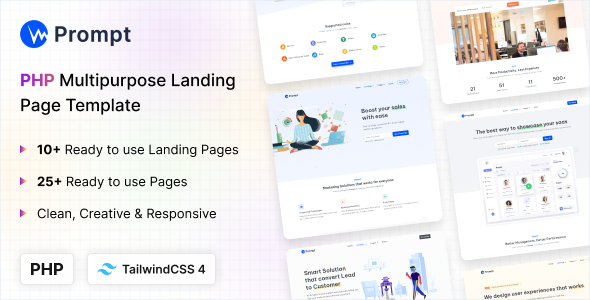
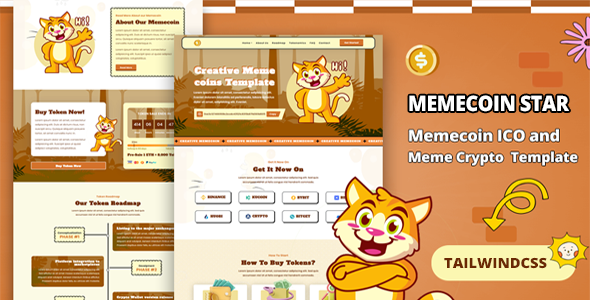
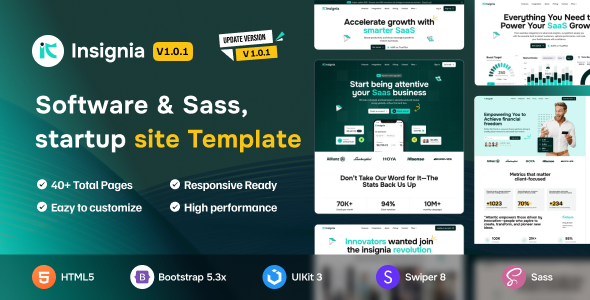
Landinger is a React landing page template built with Tailwind CSS, designed for quickly launching marketing sites, SaaS products, or startup pages.
Streamlining Your React and Tailwind CSS Development Workflow
This template directly addresses the time sink of setting up a new marketing site or product launch page from scratch. Instead of spending days on basic layout, responsive breakpoints, and common UI elements, Landinger provides a solid foundation. For agencies that need to spin up client landing pages quickly, or solo developers launching a new SaaS product, this can save significant hours on initial setup and styling.
It’s a practical investment for anyone looking to reduce repetitive frontend work, allowing more focus on unique features or business logic. This isn't about magic; it's about not reinventing the wheel for standard marketing page elements.
Under the Hood: Landinger's Code Quality and Component Structure
When we tested Landinger on a demo site, the project structure felt familiar for anyone used to modern React applications. The component organization is logical, making it relatively straightforward to find and modify specific sections. This means less time debugging cryptic file paths and more time building.
The use of Tailwind CSS means styling is handled through utility classes, which is standard practice for this framework. This keeps the CSS lean and makes it easier to maintain consistency across pages. For a business owner, this translates to lower long-term maintenance costs and a more consistent brand experience across devices.
- CSS Organization: The styling is purely Tailwind utility-based. This means no custom SASS architecture to learn, simplifying component styling and ensuring a consistent design system if you stick to Tailwind's principles.
- Mobile Responsiveness: Layouts handle common responsive breakpoints well. The mobile menu, for instance, behaves predictably without unexpected overflows or jank, which is crucial for a good mobile experience and search engine ranking.
- Semantic Structure: The HTML structure uses standard semantic elements. This is good for accessibility practices and helps search engines understand your content better, contributing to better search visibility.
- Asset Loading: Initial asset loading feels reasonably optimized. While it's a React application, which always has some overhead, the template doesn't feel bogged down with unnecessary scripts or large images by default. This directly impacts Core Web Vitals, leading to a better user experience and potentially higher conversion rates.
Where Landinger Shines: Speed, Flexibility, and Core Focus
Landinger's main strength is its ability to accelerate the deployment of a React-based marketing site. You get a good selection of pre-built pages and UI sections, which are generally well-designed for their purpose. This makes it a strong contender for anyone needing a quick React landing page template for SaaS launches or product showcases.
The component-based approach with React means you can easily reuse sections across different pages or even other projects, provided you're working within a similar tech stack. This reusability is a key benefit for long-term development efficiency.
Who Benefits Most from Landinger (and Who Should Look Elsewhere)
This template is ideal for web development agencies needing to deliver marketing sites quickly, individual developers launching their own SaaS products, or marketing teams with React development resources who need to build conversion-ready funnels. It's particularly useful for those already comfortable with React and Tailwind CSS. Projects that require deep custom backend logic tightly integrated with the frontend, or highly bespoke UI/UX that deviates significantly from a utility-first design, might find Landinger more restrictive than helpful.
Practical Considerations: What Landinger Doesn't Quite Master
While comprehensive, some of the layouts, particularly for blog pages or generic authentication flows, feel fairly standard. They do the job, but don't offer much in the way of innovative design or unique functionality out of the box. Customizing the default Tailwind configuration beyond basic color changes would require a solid understanding of Tailwind's setup, which isn't unique to Landinger but is a general consideration for any Tailwind project.
For more complex data display or interactive elements beyond simple form submissions, you'll still need to implement your own React state management and logic. Landinger provides the shell, but the dynamic heart of your application remains your responsibility.
Final Thoughts: Is Landinger a Smart Investment for Your Project?
After building multiple agency sites with tools like this, Landinger stands out as a solid choice for its intended purpose. If your goal is to launch a professional-looking React landing page or marketing site efficiently, and you're comfortable with React and Tailwind CSS, this template will genuinely save you development time. It provides a clean, maintainable base that you can build upon without the typical headaches of starting from scratch. For the right project, it’s a practical tool that helps you get to market faster.
FAQ
Is Landinger easy to customize for specific branding?Yes, since it uses Tailwind CSS, you can easily adjust colors, fonts, and spacing by modifying the Tailwind configuration file, which then applies changes consistently across the entire template.
Can this template be integrated into a Next.js project?Yes, Landinger's components are built with React, making them generally compatible for integration into a Next.js application, especially for static or server-rendered marketing pages.
How does Landinger handle dynamic content for blog posts or product listings?Landinger provides the visual structure for these pages. You would need to integrate your own data fetching logic from an API or CMS within the React components to populate them with dynamic content.
What about performance for search engine optimization?The template uses semantic HTML and is built with modern React, which when deployed correctly, can achieve good performance metrics crucial for SEO. However, final performance depends on how you implement content and assets.