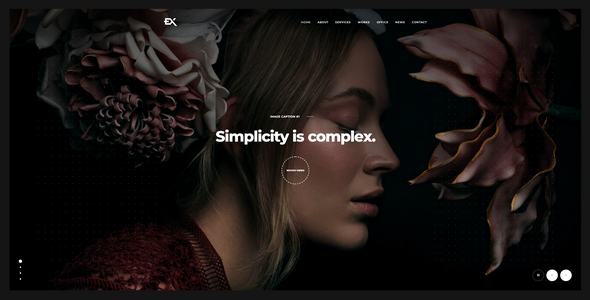
Biogra is an HTML template for personal portfolios, ideal for freelancers and digital professionals looking to showcase their work quickly. It uses Bootstrap and focuses on clean presentation for creative individuals.
Biogra Personal Portfolio Template: Real-World Developer Insights
When we're building a personal portfolio or a creative agency site, finding a template that hits the right notes without being overly complex is key. Biogra comes in as an HTML template, meaning it's a set of pre-built files ready for customization. This is a straightforward approach for anyone who wants a solid foundation for a personal brand or a small studio's online presence. We found it particularly useful for projects where the focus is on visual appeal and clear communication of services, like for a freelance graphic designer or a web developer advertising their skills.
Who Benefits Most from Biogra's Portfolio Design
This template is best suited for individual creatives, freelancers, or small agencies that need a professional-looking online space to display their portfolio pieces and services. If you're a photographer, illustrator, developer, or any digital professional looking to make a strong first impression, Biogra provides a good starting point. It's also a decent option if you're looking for a template to build a fast, lightweight personal website that prioritizes content over complex functionality. For those needing a basic, yet polished, online resume or a place to attract new clients for a freelance business, this template fits the bill.
When Biogra Might Not Be the Right Fit
However, Biogra isn't the solution for every project. If your needs go beyond a standard portfolio—say, you require intricate e-commerce features, complex user management, or deep integrations with custom backend systems—you'll likely find this template too limited. It's an HTML template, so extensive dynamic content or complex application logic would require significant development work on top of it. Those who prefer a visual page builder experience or are looking for a platform with a built-in content management system might be better served by a different type of solution.
Solving the Portfolio Presentation Headache
The main workflow problem Biogra solves is the time and effort spent on initial styling and layout for a personal portfolio. Instead of starting from scratch and wrestling with CSS for hours, we get a pre-designed structure. This means we can focus on populating it with actual content and making minor tweaks to match a client's branding. The inclusion of dedicated sections for portfolio items, services, and contact information is a practical time-saver. It helps us quickly assemble a conversion-ready funnel for potential clients looking to hire creative professionals.
Key Features for a Freelancer's Website
Biogra offers several features that are directly relevant to building a professional online presence:
- Bootstrap Framework: This provides a solid, responsive foundation, ensuring the site looks good and functions well across all devices, from desktops to smartphones. This is standard practice now, but it's good to see it implemented correctly.
- Multiple Home Pages and Header Variations: Having a few different starting points allows us to pick the layout that best suits the individual's style or the type of work they showcase.
- Touch-Friendly Design: Essential for today's mobile-first browsing habits, making navigation intuitive on tablets and phones.
- Demo Content Included: This is a huge plus for getting a feel for the template's capabilities and for quickly populating a demo site during the initial setup phase.
- Valid HTML5/CSS3 and Semantic Structure: For SEO purposes and general code quality, clean and valid code is important. This helps search engines understand the content better, potentially improving visibility for searches like "best personal portfolio website template."
Practical Workflow Considerations
When we tested Biogra, we noticed the CSS was reasonably organized, making it manageable to override styles. The mobile menu behavior was standard, collapsing into a hamburger icon as expected. A minor point we observed is how long text blocks are handled; while generally fine, very lengthy descriptions might require some adjustments to maintain visual balance. The use of Swiper Slider is a common and effective way to display image galleries, and its integration here felt natural. We also appreciated the inclusion of Font Awesome icons, which are a widely used and convenient way to add visual cues.
Comparing Biogra to Other Portfolio Templates
Compared to many other portfolio templates on the market, Biogra stays away from overly flashy animations or heavy JavaScript dependencies that can slow down a site. While some templates in this niche try to do too much, Biogra remains focused on its core purpose: presenting a portfolio effectively. This focus on clean typography and clear layouts is a trade-off; you get a lighter, faster site, but you might miss out on some of the more elaborate design features found elsewhere. It feels like a template built with speed and basic functionality in mind, rather than pushing design boundaries.
Potential Limitations and Areas for Improvement
One area where Biogra feels a bit standard is in its asset loading. While it includes features like image preloading, there's always room for optimization, especially concerning Core Web Vitals. For instance, more granular control over lazy loading or advanced image format support (like WebP) could be beneficial for performance. Also, while it's easy to customize colors and fonts, making more significant structural changes would require a good understanding of HTML and CSS.
The Value of a Well-Structured HTML Template
For developers and agencies that prioritize clean code and efficient project delivery, an HTML template like Biogra offers significant value. It saves considerable time on the initial setup, allowing us to deliver projects faster. The clear structure and reliance on well-known frameworks like Bootstrap mean that maintenance is generally straightforward. This makes it a smart investment for anyone who needs a reliable, professional portfolio website without the overhead of a more complex platform, especially when building multiple sites for clients.
Biogra: A Solid Choice for Creative Portfolios
Overall, Biogra is a practical and well-built HTML template for personal portfolios. It delivers on its promise of a clean, responsive design that's easy to customize. It's a smart choice for freelancers and creatives who need to establish a professional online presence quickly and efficiently. If you're looking for a straightforward, performance-conscious template to showcase your work, Biogra is definitely worth considering for your next project.
FAQ
What kind of customization options does Biogra offer for a freelance web developer?
Biogra allows for customization of colors, fonts, and layout elements using standard HTML and CSS. You can replace demo content with your own projects and services.
How does Biogra handle responsiveness for different screen sizes, and is it good for mobile users?
The template is built on the Bootstrap framework, which is designed for responsiveness. This means it automatically adjusts its layout to look good on desktops, tablets, and mobile phones, providing a good experience for all users.
Is Biogra suitable for someone looking to create a niche portfolio, like for an HVAC service layout?
While Biogra is designed for personal creative portfolios, its clean structure and responsiveness make it adaptable. However, creating a niche layout like for an HVAC service might require significant content and styling adjustments beyond the template's original intent.
What is the advantage of using an HTML template like Biogra versus a CMS theme?
HTML templates like Biogra offer greater control over the code and are typically lighter and faster. They are ideal if you have development resources and want a highly customized, performant site without the overhead of a full content management system.