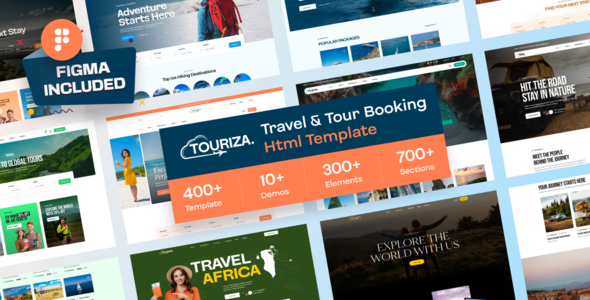
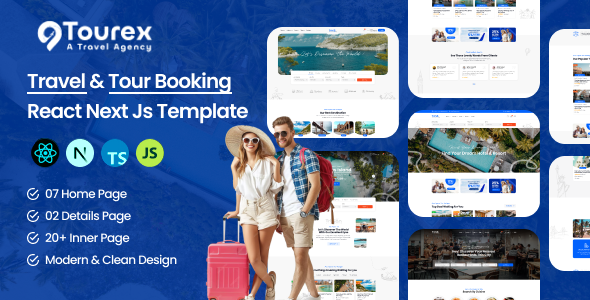
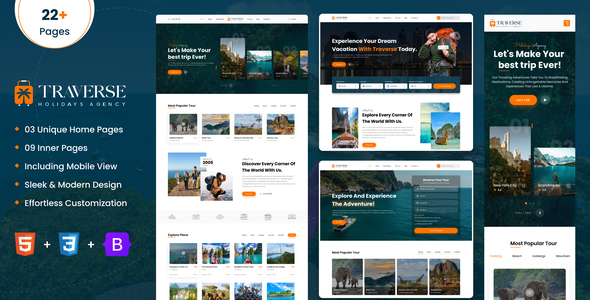
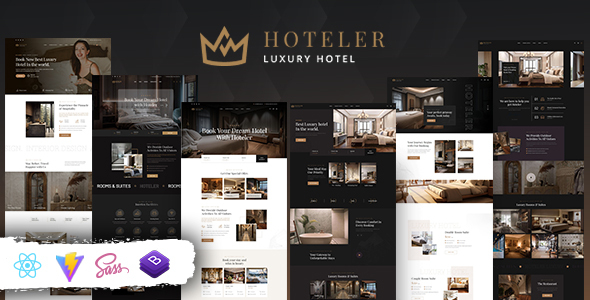
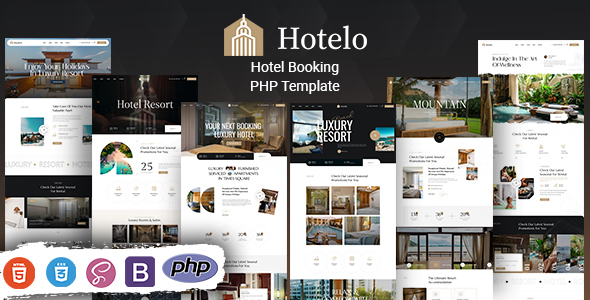
The Nauka PHP template is a collection of HTML, CSS, and JavaScript files with basic PHP includes, designed as a front-end starter kit for yacht rental businesses, tour operators, and travel agencies looking for a pre-built visual layout.
Solving the Challenge of Rapid Yacht Charter Website Development
For agencies or freelancers needing to spin up a client site quickly, this template addresses the initial hurdle of front-end design and coding. It provides a structured visual foundation for yacht charter websites, saving significant time on layout creation and responsive styling. Instead of building every page element from scratch, you get pre-designed sections for boat listings, tour details, and contact forms, which can be invaluable when deadlines are tight and the budget doesn't allow for extensive custom design work.
Examining Code Quality and Niche Features for Yacht Rental Sites
When we tested the kit on a demo site, the core structure felt familiar, relying on Bootstrap for its responsive grid. This is standard practice and means most developers can jump in without a steep learning curve. The "33+ valid PHP files" mentioned are primarily includes for common components like headers, footers, and navigation. This approach simplifies front-end development by allowing consistent elements across pages, which translates to lower maintenance costs and easier content updates for the business owner.
The template includes layouts specifically tailored for yacht rental sites, such as dedicated pages for individual boats or tour packages. These often feature large hero images, clear call-to-action buttons, and sections for specifications or itineraries. From an SEO perspective, the semantic structure appears clean enough for search engines to parse content effectively, which is crucial for discoverability in a competitive niche like yacht rentals. However, you'll need to implement your own robust backend for actual booking functionality or inventory management.
- CSS Organization: The styling is built on Bootstrap, meaning the CSS is generally well-structured and uses a familiar class naming convention. This makes it straightforward for developers to override or extend styles without too much hassle.
- Mobile Responsiveness: It handles various screen sizes well out of the box, ensuring a consistent mobile experience. This is critical for users browsing on phones or tablets, preventing lost leads due to poor usability.
- Asset Loading: JavaScript and CSS assets load in a standard way. While not heavily optimized for Core Web Vitals out of the box, the base is clean enough that a developer can implement deferring or async loading without major refactoring.
- Niche Content Handling: The layouts are designed to showcase large images and detailed descriptions for boats or tours. This focus helps businesses present their offerings clearly, improving potential conversion rates.
- Accessibility: Basic semantic HTML is used, which contributes to standard accessibility practices. However, full WCAG compliance would require additional developer attention during content population and interactive element implementation.
Strengths: What Makes Nauka Stand Out for Travel Agencies
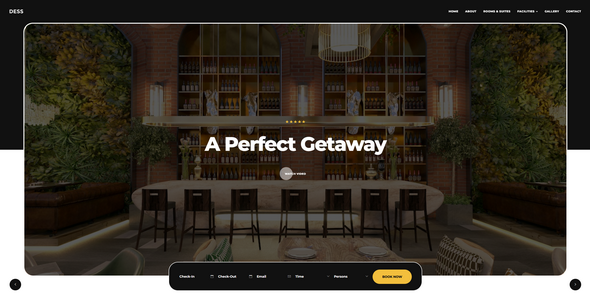
The primary strength of this template is its visual polish and the number of pre-designed layouts for a specific niche. The five homepage demos provide a good range of starting points, from clean and minimalist to more image-heavy designs. For a travel agency needing a quick online presence, the ready-made sections for services, about us, and contact pages are genuinely useful. It offers a solid, responsive foundation that looks good on various devices, reducing the time spent on cross-browser compatibility and mobile styling.
Who Benefits Most from This Yacht Booking Template?
This template is ideal for web development agencies or freelance developers who need a fast, visually appealing front-end for clients in the yacht charter, boat rental, or luxury travel sector. It's also suitable for small businesses with an existing simple PHP backend or those planning to integrate a third-party booking system, where they only need the static visual shell. This is not for those needing deep custom backend logic or a full content management system out of the box.
Limitations: Where the Nauka PHP Template Falls Short
While the template is visually appealing, its core "PHP files" are essentially just includes for common page sections. This means it lacks any real backend functionality like a booking engine, user management, or dynamic content creation. You'll need to build or integrate all of that yourself, which can be a significant undertaking. The parallax effects, while visually engaging, can sometimes impact performance if not carefully managed. Also, while the design is clean, it doesn't offer a truly unique aesthetic that sets it apart from other Bootstrap-based templates without significant custom CSS work.
Final Thoughts: Is it worth it?
If your goal is to quickly launch a professional-looking front-end for a yacht or travel-related business, and you understand that you'll be responsible for all backend integration, the Nauka PHP template is a solid starting point. It provides a polished, responsive design that can save you dozens of hours on initial front-end development. For a developer or agency, this means faster project delivery and a quicker return on investment for client work.
FAQ
Is this a complete yacht booking system?No, the Nauka PHP template provides the front-end design and layout only. You will need to integrate your own backend logic or a third-party booking system for actual reservations and payments.
Can I easily integrate this template with a CMS like WordPress?This template is a static HTML/CSS/JS kit with PHP includes. While you can adapt its styles and markup, it is not designed for direct integration with a CMS like WordPress and would require significant development work to convert.
What kind of PHP functionality is included with the template?The PHP files primarily serve as includes for common sections like headers, footers, and navigation across different pages, helping to maintain consistency and simplify content updates. It does not contain complex application logic or database interactions.
How difficult is it to customize the color scheme and fonts?Since it's built on Bootstrap, changing basic colors and fonts is relatively straightforward by modifying the main CSS files or Bootstrap variables. More extensive design changes would require a deeper understanding of CSS and potentially SASS.