Robok is an HTML template designed for AI and tech-focused agencies or startups looking to launch a marketing site quickly.
Evaluating Robok for Rapid Development of AI Startup Websites
The core problem this Robok HTML template solves is the initial setup time for a marketing site in the AI or technology niche. It provides a solid starting point for common sections like service listings or case studies, saving significant hours on frontend boilerplate. This is particularly useful for smaller agencies or solo developers needing to deliver client sites under tight deadlines.
Technical Standards and Practical Features for Technology Agencies
From a technical standpoint, Robok is built on HTML5, CSS3, and Bootstrap. The code is generally clean, making it easier to navigate than many templates on the market. When we tested the kit on a demo site, asset loading felt reasonably optimized, contributing to decent initial page load times. This translates to a better user experience and can positively impact search engine rankings, which business owners care about.
- The CSS structure is straightforward, mostly relying on Bootstrap classes. It's organized enough for quick modifications without a steep learning curve, though it doesn't use a complex SASS architecture.
- Semantic HTML is present, forming a good foundation for accessibility and search engine optimization. This helps screen readers interpret content better and search engines understand page structure, benefiting all users.
- The mobile menu implementation is standard Bootstrap off-canvas, which works reliably across devices. It’s a familiar pattern that users expect, making for a predictable mobile experience.
- For content-heavy sections, the layout handles long text reasonably well, preventing overflow issues. This helps ensure your message is always readable, though careful content planning is still needed.
Strengths of Robok: Pre-built Layouts for Machine Learning Companies
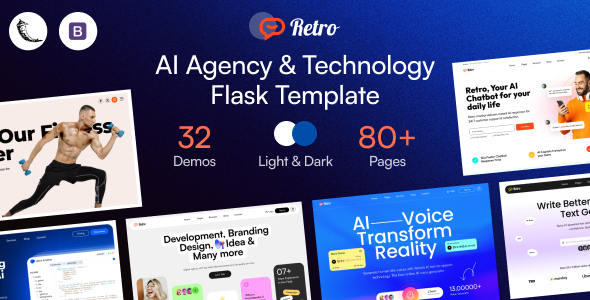
What impresses most about Robok is its focused niche. The pre-built layouts for AI Agency, ChatGPT Bot, and Machine Learning companies genuinely reflect the content and sections these businesses need. This specialization saves time on content strategy and design, allowing you to focus on populating the site rather than inventing the structure. The inclusion of both dark and light modes also offers immediate branding flexibility.
Who Should Use Robok for Their Next Project?
This HTML template is for web developers, small agencies, or freelancers building marketing websites for clients in the AI, machine learning, or general technology sectors. It's ideal for those needing to launch quickly with a polished frontend without deep custom backend logic. However, it is not for projects requiring highly bespoke UI components or extensive backend integration, as it's a static HTML template.
Limitations and What Feels Average in Robok
While solid, Robok isn't without its average points. The custom animations, while present, are mostly standard fade-ins and slides; they won't make your site stand out visually compared to a custom-designed experience. The overall design, while clean, leans heavily on current trends, meaning it might lack long-term unique appeal. Additionally, while the documentation is clear, it’s mostly about structure rather than offering deeper insights into advanced customization.
Final Thoughts: Is it worth it?
For anyone needing to quickly spin up a credible online presence for an AI or technology-focused business, Robok offers a practical head start. It provides a well-structured, clean base that significantly reduces the initial development burden. If efficiency and a professional look within this niche are your goals, Robok will genuinely save development hours and get your project live faster.
FAQ
Can Robok be easily integrated with a content management system?As a static HTML template, integration with a CMS requires manual conversion of its structure into the CMS's templating language.
How difficult is it to change the overall color scheme of the template?Changing the primary color scheme is straightforward, relying largely on Bootstrap variables and custom CSS rules.
Does this template support multiple languages for international audiences?The template provides visual structure; implementing multi-language support requires custom development or integration with a third-party localization service.
What is the effort involved in adding new, custom sections not included in the demos?Adding entirely new sections requires familiarity with HTML, CSS, and Bootstrap to maintain design consistency, as no drag-and-drop builder is included.