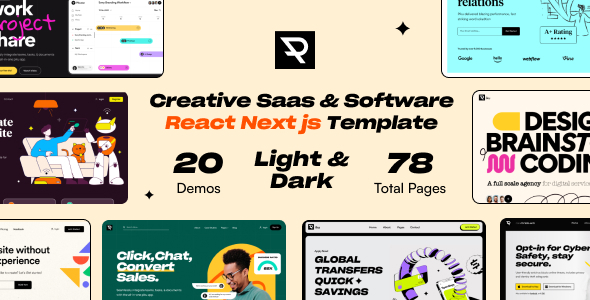
Retro is a Symfony 7 template for AI agencies and tech startups, offering 32 homepage variations, 86+ pages, and a Figma file.
Evaluating the Retro Symfony 7 Template for Tech Agencies
As someone who has wrestled with countless templates over the years, "Retro" immediately stands out because it's built on Symfony, not just static HTML or WordPress. This isn't a simple drag-and-drop solution; it’s a full-stack web application framework template. It provides a solid frontend structure for developers building a web presence for an AI agency or a technology startup, aiming for a distinct visual style.
The core problem this template solves is giving Symfony developers a significant head start on frontend development. Instead of building every page and component from scratch within a Symfony project, you get a pre-built, visually cohesive set of pages. This can genuinely cut down initial development time, especially for client projects where the budget and timeline are tight.
Who Should Consider This AI Agency Website Template (And Who Should Skip It)
This template is for agencies and freelancers who primarily work with Symfony and need to deliver a client-facing website quickly. It’s particularly useful for those targeting clients in the AI and tech sectors who appreciate a specific, retro-futuristic aesthetic. The included Figma file is a huge bonus for design handoffs or for agencies needing to present concepts before development even starts.
If you're a developer comfortable with Symfony, PHP, and Bootstrap, this template gives you a ready-made structure to integrate your backend logic. It’s also suitable for small tech startups looking to launch a website without hiring a full-time frontend team, provided they have a developer who understands Symfony.
However, this is absolutely not for someone looking for a WordPress theme or a no-code builder. If your team lacks Symfony expertise, the learning curve to customize and maintain this will be steep. It’s also not ideal for projects requiring highly bespoke backend logic that doesn't align with a typical service or portfolio site structure, as you’d end up rewriting a lot of the core framework. This isn't a generic ecommerce website template; its focus is on service and portfolio presentation.
A Deep Dive into the Retro Aesthetic and Layouts
The design here is the main selling point, leaning heavily into a "retro" aesthetic with vibrant colors and distinct graphics. It’s a niche look, but if it fits your brand or client's vision, it's executed well. The template comes with an impressive 32 home page variations, split between light and dark modes, which offers a good range of initial choices without much design work.
With over 86 pages in total, you get pretty much every standard page you’d expect: services, portfolio, team, contact, and blog layouts. This extensive collection means less time spent on basic page creation. In our experience with similar frameworks, having these pages pre-built and styled can save days of frontend work, letting developers focus on integrating dynamic content rather than styling individual elements.
Under the Hood: Code Structure and Developer Experience
The template is built on Bootstrap, which is a standard, robust framework ensuring good responsiveness across devices. The fact that it's a Symfony 7 template means you're dealing with a modern PHP framework. This provides a structured, maintainable codebase that’s generally more performant and secure than many simpler PHP setups, which translates to lower long-term maintenance costs for business owners.
The code is described as "clean and commented," which is always a relief for developers. Well-organized CSS and JavaScript files make it easier to locate and modify styles or behaviors. While it uses jQuery and Slick Slider, which are older but still functional libraries, they're widely understood, so most developers won't have trouble integrating them. The inclusion of a detailed documentation within Symfony is critical for onboarding new developers or understanding the template’s specific architecture.
Technical SEO Considerations for a Symfony Template
The template boasts "super fast load speed" and "valid HTML5 / CSS3," which are foundational for good technical SEO. A clean semantic structure for SEO is crucial, and a well-built Symfony application can leverage efficient asset loading and server-side rendering to deliver content quickly. This directly impacts Core Web Vitals, which Google uses as a ranking factor, ultimately leading to better visibility and user experience.
While the template provides the structural elements, implementing advanced SEO strategies like structured data or specific content optimizations will still be up to the developer. The use of SVG icons is a plus for performance and scalability, ensuring crisp visuals on any screen without large file sizes. The template also claims cross-browser compatibility, which is a standard expectation but still important for reaching a broad audience.
Retro Template: Is it a Smart Investment for Your Next Tech Project?
If you're a Symfony developer or an agency regularly taking on projects for tech or AI startups, this template is a solid starting point. It genuinely accelerates the frontend build process by providing a comprehensive set of pages and a distinct design out of the box. The inclusion of the Figma file adds significant value for design-focused workflows.
The main trade-off is its specific retro design. While unique, it won't appeal to everyone. You’ll also need to be comfortable working within the Symfony ecosystem. For those specific requirements, however, the "Retro" Symfony 7 template offers a practical, time-saving solution that can help you deliver a polished, performant website faster than building from scratch.
FAQ
Is this template suitable for a complete beginner in web development?No, this template requires a solid understanding of Symfony, PHP, Bootstrap, HTML, CSS, and JavaScript to effectively customize and deploy.
Can I easily change the retro design to a more modern look?While you can customize colors and fonts, significantly altering the core "retro" aesthetic would require extensive CSS and potentially structural changes, effectively redesigning a large portion of the template.
Does this template include any database integration or backend logic beyond the contact form?This template provides the frontend structure within a Symfony framework. You'll need to implement your own database models, controllers, and business logic to power dynamic content beyond the static pages or the provided contact form functionality.
How does this template handle image and asset optimization for performance?The template is built on Bootstrap and includes SVG icons, which contribute to good performance. However, you'll need to ensure any custom images or additional assets you add are properly optimized to maintain fast load speeds and good Core Web Vitals.