Restobar is a WordPress theme for restaurants, cafes, and food businesses. It leverages Elementor for specialized layouts covering menus, reservations, and online ordering, ideal for agencies and freelancers needing quick hospitality website launches.
Restobar: A Practical WordPress Theme for Restaurants and Cafes
This WordPress theme, Restobar, is essentially a pre-packaged Elementor site kit designed for the food and hospitality industry. It aims to solve the common problem of quickly launching an online presence for a restaurant, cafe, or similar food-related business without building every component from scratch. When we tested the kit on a demo site, it became clear its strength lies in providing a solid starting point with niche-specific layouts and components.
It bundles in features like menu listings, reservation forms, and WooCommerce integration, which are typical requirements for this type of client. For anyone regularly building websites for cafes or bistros, this theme offers a functional foundation that can save significant development time.
Who Benefits from This Restaurant Website Template and Who Doesn't
Restobar is genuinely useful for freelance developers and small agencies who need to deliver functional restaurant websites on a tight schedule. If your client needs a standard online menu, a way for customers to book tables, and perhaps a simple online ordering system, this theme provides those core elements out of the box. It’s also a good fit if your workflow is heavily reliant on Elementor and you want to avoid starting a new project with a blank canvas.
However, this theme is not for everyone. If you're working on a highly bespoke project that requires deep custom backend logic, unique design beyond what Elementor allows, or integration with a specific, complex restaurant management system, you’ll likely find yourself fighting against the theme’s structure rather than working with it. It’s also probably overkill for a hobbyist blogger or someone who just needs a very basic, single-page site.
Layouts and Essential Restaurant Components
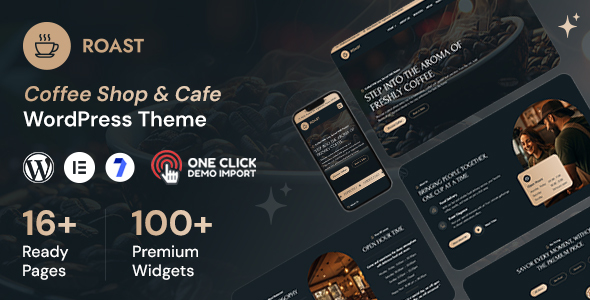
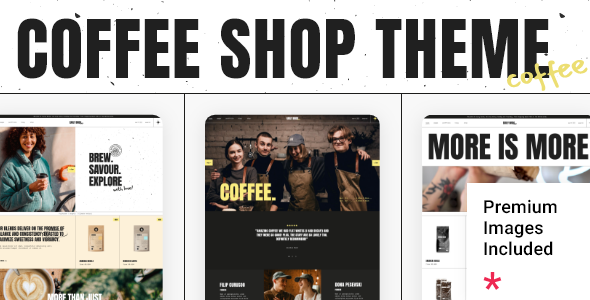
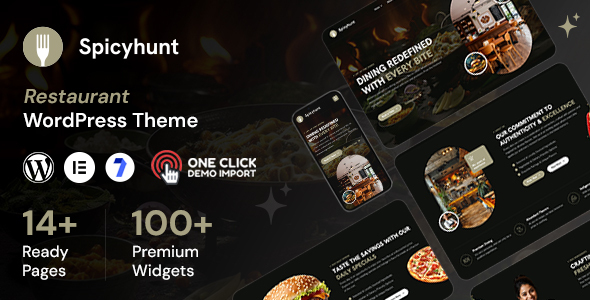
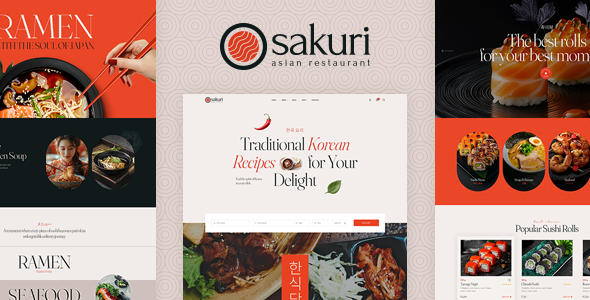
The theme includes several pre-built demo layouts, which are a common feature in this category of WordPress theme for restaurants with Elementor. These give you different visual starting points for various food businesses like a coffee shop or a pizza place. The inclusion of dedicated menu listing layouts, with both grid and tabbed options, is a practical addition for showcasing dishes clearly.
It also comes with specific Elementor widgets tailored for the niche. These custom widgets, like those for team members or testimonials, are standard but help maintain a consistent design without much effort. The reservation system relies on Contact Form, which is a widely used plugin, but it means you're not getting a deeply integrated booking solution directly within the theme's own framework.
eCommerce and Business Features for Food Services
The WooCommerce integration is a key component here, allowing for online ordering and payment processing. This is critical for many modern food businesses. Setting up a basic shop for takeout or merchandise is straightforward once the demo content is imported. This solves the headache of setting up a niche-specific booking flow and payment system from scratch, saving potentially dozens of hours.
The theme also supports multiple payment gateways through WooCommerce, which is standard but essential for any online store. For a business owner, this means getting an online store up and running faster, allowing them to start generating revenue from online sales without a huge upfront development cost.
Code Quality and Developer Experience
After building multiple agency sites with tools like this, the developer experience often hinges on how well the theme plays with Elementor and its own custom additions. This theme is based on Bootstrap, which provides a familiar grid system for many developers. While the original description mentions "advanced theme options," in our experience with similar frameworks, these typically offer global color controls, typography settings, and header/footer options.
When we tested the kit on a demo site, changing colors was straightforward through theme options, but diving into custom CSS for granular changes would require overwriting Elementor's output, which is typical for page builder themes. The asset loading feels average; it’s not heavily optimized for Core Web Vitals out of the box, but it's not excessively bloated either. A developer would still need to implement proper caching and image optimization for optimal performance.
Responsiveness and Compatibility
The theme is advertised as responsive and retina-ready, which is an industry standard expectation for any modern website. In practical terms, this means the layouts should adapt well to different screen sizes, from mobile phones to larger desktop monitors. This ensures a consistent user experience across devices, which is vital for search engine ranking and user satisfaction. Cross-browser compatibility is also mentioned, meaning it should render correctly in common browsers like Chrome, Firefox, and Safari.
The mobile menu behavior is a standard toggle, nothing groundbreaking, but it works as expected. The layouts generally handle longer text blocks reasonably well, adapting column widths to prevent awkward line breaks, which is a small but important detail for content presentation.
SEO Readiness for Hospitality Businesses
From an SEO perspective, the theme provides a clean semantic structure for content, which is a good starting point. Headings are used appropriately, and the general HTML structure helps search engines understand the content hierarchy. It doesn't include any magic SEO features, but it doesn't hinder your efforts either. You'll still need to implement a dedicated SEO plugin and follow best practices for content optimization, keyword research, and link building.
The theme’s focus on clear content presentation and reasonable performance (once optimized) contributes positively to search engine visibility. For a business owner, this means the website has a good technical foundation to rank well in search results for local restaurant searches, driving more potential customers to their establishment.
Final Thoughts on This Restaurant WordPress Theme
Restobar is a solid, no-frills Elementor-based WordPress theme for restaurants and food businesses. It delivers on its promise to provide a quick setup for common hospitality website features like menus, reservations, and online ordering. While it’s not going to win any awards for groundbreaking innovation, it’s a reliable tool that can genuinely save agencies and freelancers a lot of time on project delivery.
The main trade-off is its reliance on Elementor and Contact Form for key functionalities, which means you're tied into those ecosystems. However, for the target audience looking for an easy restaurant website setup, this theme offers a practical, ready-to-use solution that justifies its investment by streamlining the development process for niche-specific sites.
FAQ
Can I customize the design beyond the pre-built demos?Yes, you can customize the design using Elementor's drag-and-drop interface and the theme's global options. For more specific changes, you would typically use custom CSS to override default styles.
How does the reservation system work, and is it reliable?The reservation system uses the Contact Form plugin, which is a standard and reliable tool for form submissions. It sends reservation requests to an email address, but it's not an integrated booking management system with availability checks.
Is this theme suitable for a large restaurant chain with multiple locations?While you could build individual sites for each location, this theme is more geared towards single-location businesses or smaller chains. Managing multiple complex locations might require a more robust, custom-built solution or a theme specifically designed for multi-location management.
What kind of ongoing maintenance does this theme require?Like any WordPress site, it will require regular updates for WordPress core, Elementor, WooCommerce, and the theme itself. Keeping everything updated is crucial for security and performance, and this theme doesn't add unusual maintenance burdens.