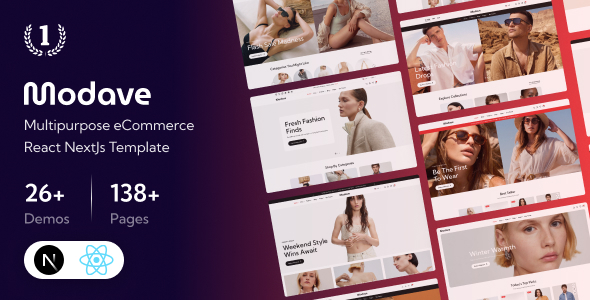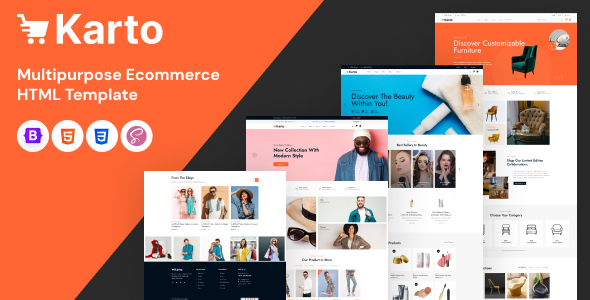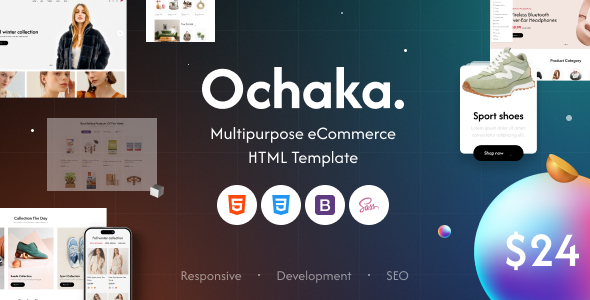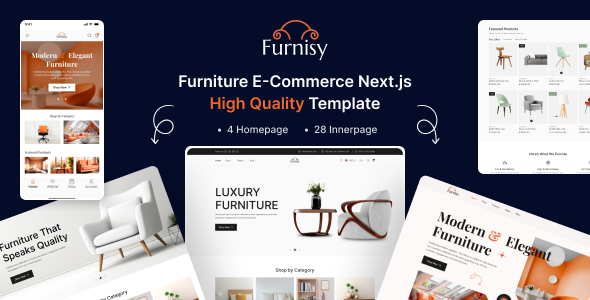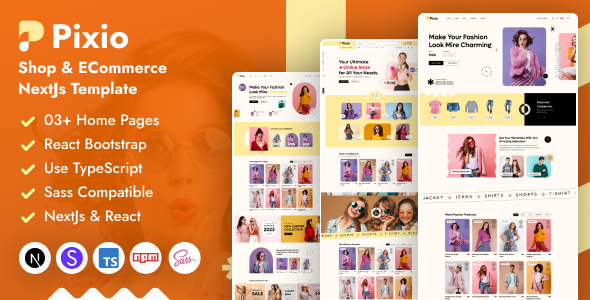
Pixio Shop is an eCommerce Next.js template built with React and TypeScript, providing 3+ home pages and 97+ inner pages for diverse online store setups. It's a practical foundation for agencies and freelancers aiming for fast, performant client projects.
Reviewing the Pixio Shop Next.js eCommerce Template
This template delivers a modern frontend for online stores using Next.js, React, and TypeScript. It’s a pre-built set of UI components and pages, designed to kickstart an e-commerce project without building every element from scratch. This approach is a solid time-saver for anyone needing to launch a visually appealing shop quickly.
Who Should Use This Next.js Shop Template?
This Pixio Shop template is genuinely useful for web agencies and freelance developers who regularly build custom online store experiences. If you're comfortable with the Next.js ecosystem, React, and TypeScript, this gives you a significant head start on the frontend. It's good for projects where performance and a modern tech stack are priorities.
However, if you're new to Next.js or React, or need a full, integrated backend solution out of the box, this isn't it. This is a frontend UI kit; you'll need to connect it to your own API or a headless CMS for product data and order processing. It’s also not for someone looking for a drag-and-drop website builder.
Solving Workflow Challenges with a React Shop Design
This template solves the immense time sink of building a modern, performant e-commerce frontend from the ground up. In our experience with similar frameworks, setting up responsive layouts, product grids, and checkout flows can easily consume weeks. Pixio Shop provides these core elements pre-configured, letting you focus on integrating specific business logic.
This template offers a solid foundation for a Next.js eCommerce frontend template, which means faster page loads and a smoother user experience, critical for conversion rates. For a business owner, this translates directly to a better first impression and potentially more sales. The inclusion of SCSS also means global style changes are more manageable than sifting through raw CSS, reducing long-term maintenance costs.
Page Layouts and Shop Components Included
The template comes with a decent set of pages, including three distinct home page layouts, nearly 100 inner pages, and specific sections for shop, blog, and portfolio. The shop section is detailed, offering various product display options like standard grids, lists, and different product detail layouts. This variety means you can tailor your online store's look without starting from zero.
You get comprehensive shop pages covering everything from shop filters top bar to cart, checkout, and order tracking. For a developer, having these common e-commerce components already built and styled saves a lot of repetitive work. It means less time styling basic elements and more time on custom features that truly differentiate a client's site.
Code Quality and Developer Experience
When we tested the kit on a demo site, the file structure felt logical, which is a big plus. It's built with Next.js, React, and TypeScript, a robust stack for maintainability and scalability. SCSS compatibility implies a well-organized CSS architecture that makes global style changes and custom branding much easier. For a client, this means lower costs for future design tweaks.
The code is described as "clean," which, if true, means less time debugging and more time building. From a developer's perspective, clean code and good documentation are crucial for reducing project friction and ensuring long-term maintainability. This template aims to provide a solid base, avoiding the bloat often seen in less focused templates.
Responsiveness and Technical SEO Readiness
The template is advertised as fully responsive, a standard expectation these days. The mobile sidemenu is a good sign that mobile navigation has been considered beyond basic scaling, ensuring a consistent experience across devices. This is vital for both user satisfaction and search engine rankings.
From an SEO perspective, a Next.js frontend inherently offers advantages due to server-side rendering or static site generation. Search engine crawlers get fully rendered HTML, helping with indexing and content understanding. While the template provides the structure, good content practices and semantic HTML usage are still critical for strong search visibility for any build online store with Next.js project.
Final Verdict on Pixio Shop for Agencies
Pixio Shop offers a genuinely practical starting point for agencies and freelancers building modern e-commerce sites. It won't solve your backend problems, but it provides a well-structured, performant frontend foundation using current technologies. The number of pre-built pages and components means you can significantly cut down on initial development time.
While the base design might feel somewhat standard, it’s a solid, clean canvas ready for customization. For anyone looking to deliver a fast, professional online store without reinventing the wheel on every project, this template is a smart investment that will save you considerable hours and help you focus on delivering real value to your clients.
FAQ
Is this a complete e-commerce solution with a backend?No, Pixio Shop is a frontend template built with Next.js, React, and TypeScript. You will need to integrate it with your own e-commerce backend API or a headless CMS to handle product data, inventory, and transactions.
Do I need to know Next.js or React to use this template effectively?Yes, to get the most out of this template and customize it beyond basic content changes, a good understanding of Next.js, React, and TypeScript is essential. It's not a no-code or low-code solution.
How easy is it to change the overall design and branding?The template is SCSS compatible, which makes global style changes and branding updates relatively straightforward if you're familiar with SASS. You can adjust colors, typography, and component styling efficiently through the SCSS files.
Does this template include any database or user management features?No, as a frontend template, it does not include any database, user authentication, or server-side user management features. These functionalities would need to be implemented separately through a backend system you integrate with.