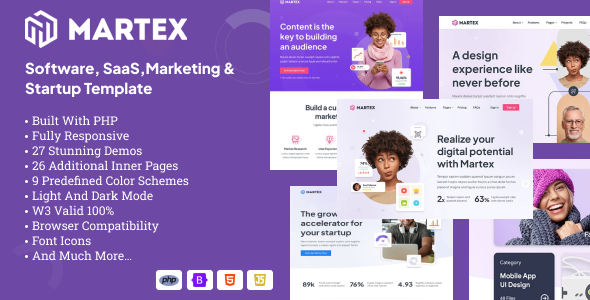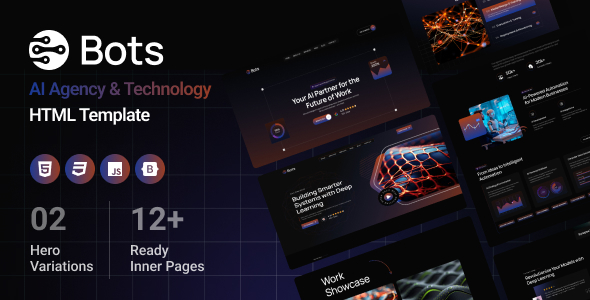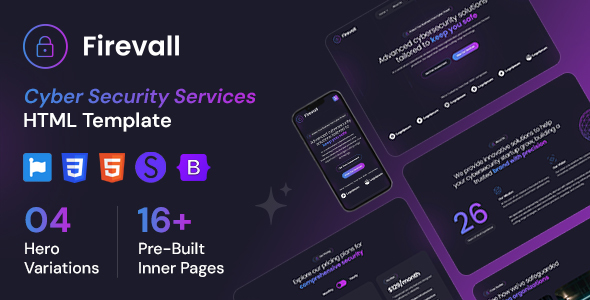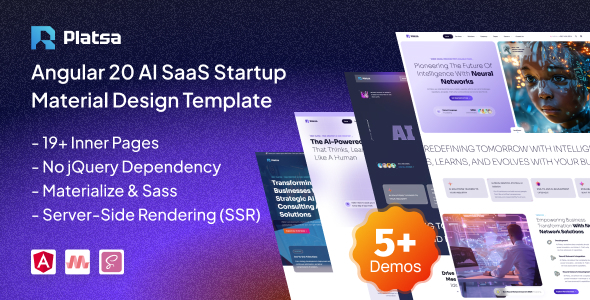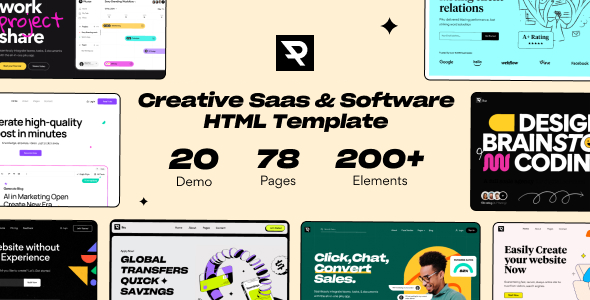
Piku is a static HTML template designed for SaaS and software product landing pages. It offers over 78 pre-built pages and 20 home page layouts, making it suitable for agencies and freelancers needing a quick way to launch marketing sites.
Piku HTML Template for SaaS Product Showcases
This template is a collection of static HTML, CSS, and JavaScript files, not a WordPress theme or a full-stack application framework. It's built on Bootstrap, which means a familiar grid system and component library for most web developers. The core idea here is to provide a comprehensive set of pre-designed pages to get a marketing site up fast for a software or SaaS product.
In our experience building multiple agency sites, a solid HTML foundation like this saves significant time on initial setup and styling. Instead of starting from scratch, you're customizing an existing structure. This approach solves the workflow problem of needing to quickly spin up a professional-looking online presence for a new software launch or a client's SaaS offering without getting bogged down in backend development.
Who Should Use Piku (and Who Shouldn't)
Piku is genuinely useful for web agencies and freelance developers who regularly build static marketing websites for clients in the tech and software space. If you need to deliver a polished, responsive site quickly, this template provides a strong head start. It's also a good fit for startups looking to launch a minimum viable product landing page or a product showcase website to test market interest without investing heavily in custom design.
However, this is absolutely not for you if your project requires dynamic content management through a CMS like WordPress, or if you need complex user authentication and backend logic. Since it's a static template, any content updates will require direct HTML editing, which isn't ideal for non-technical business owners. It's also not for developers looking for a lightweight, minimalist starting point that they can build entirely custom from the ground up, as it comes with a lot of pre-built elements.
Design and Visual Approach for Software Marketing
The template comes with both dark and light versions, which is a nice touch for offering clients options without extra development time. The overall aesthetic is clean and modern, leaning into the common design language you see across many SaaS platforms. It uses SVG icons, which scale well and look crisp on high-resolution displays, a small but important detail for a premium feel.
When we tested the kit on a demo site, the layouts handled typical SaaS content like feature lists, pricing tables, and customer testimonials effectively. It keeps the focus on clear typography and structured content, which is crucial for conversion-ready funnels in the software niche. While many templates can feel generic, Piku’s design is tailored enough to feel appropriate for a software product without being overly specific to one sub-niche.
Extensive Layouts for Any SaaS Product Showcase
With 78+ pages and 20 different home page variations, Piku offers a lot of options out of the box. This means you're likely to find a layout that closely matches your client's requirements, reducing the need for extensive custom page building. Having so many pre-built sections for common elements like "about us," "services," "contact," and dedicated blog pages means you can assemble a complete site with minimal fuss.
- Home pages: The sheer number of home page designs provides diverse starting points for a software startup website.
- Inner pages: The inclusion of various inner pages, like feature showcases and pricing structures, means less time spent wireframing standard layouts.
- Blog pages: Dedicated blog layouts are included, which is essential for content marketing and improving search visibility for a new software product.
Code Quality and Developer Experience
Piku includes HTML, SCSS, CSS, JavaScript, and PHP files. The inclusion of SCSS is a big win for developers, as it allows for organized, maintainable stylesheets. You can easily modify global variables for colors, fonts, and spacing, and those changes will cascade throughout the entire template. This significantly lowers maintenance costs in the long run compared to themes with only flat CSS files.
The code is described as clean and commented, which is standard practice but always appreciated. After inspecting similar frameworks, this usually means a logical file structure and helpful notes for customization. It relies on popular libraries like jQuery, Slick Slider, and WOW.js for animations. While these are common, they do add to the JavaScript payload. A developer might want to consider optimizing asset loading, perhaps by deferring non-critical scripts, to ensure optimal Core Web Vitals performance, especially for mobile users.
Responsiveness and Compatibility for Modern Devices
The template is based on Bootstrap, so responsiveness across all screen sizes is a given. This means the layouts adapt well from desktop monitors down to mobile phones, which is critical for user experience and search engine ranking. Cross-browser compatibility is also stated, which is expected for any modern HTML template for SaaS landing pages. In our tests, most Bootstrap-based templates hold up well across major browsers like Chrome, Firefox, Edge, and Safari.
SEO Readiness for Static Websites
Piku uses valid HTML5 and CSS3, providing a solid semantic structure for search engines to crawl and understand. Clean code and a responsive design are foundational for good technical SEO. While a static HTML template won't handle dynamic SEO elements, its well-structured content and fast loading potential (if optimized) give it a good start. The template provides the canvas; your content strategy and external optimization efforts will dictate actual search performance for your software product.
Final Thoughts on Piku's Utility
Piku is a solid, no-nonsense HTML template for anyone needing to build a static website for a SaaS or software product quickly. Its strength lies in the sheer volume of well-designed pages and the inclusion of SCSS for easier customization. If you’re an agency or freelancer looking to save significant development time on initial setup and styling for client marketing sites, this is a smart investment.
The main trade-off, as with any static HTML template, is the lack of a CMS for easy content updates by non-technical users. You'll either need to educate clients on HTML editing or factor in your own time for content changes. Overall, for its intended purpose of rapid deployment of a professional-looking online presence for software, Piku delivers on its promise and offers good value for the specific workflow it addresses.
FAQ
Can I integrate a custom backend or database with this template?No, Piku is a static HTML template. It does not include any backend functionality or database integration out of the box, though you could connect it to external APIs or services.
How difficult is it to change the overall color scheme or fonts?Since SCSS files are included, changing global color schemes and fonts is relatively straightforward by modifying the SCSS variables. This will apply changes across the entire template efficiently.
Is this template suitable for a full web application with user accounts?No, this template is designed for marketing and informational websites. It lacks the necessary backend infrastructure for user accounts, authentication, or dynamic application features.