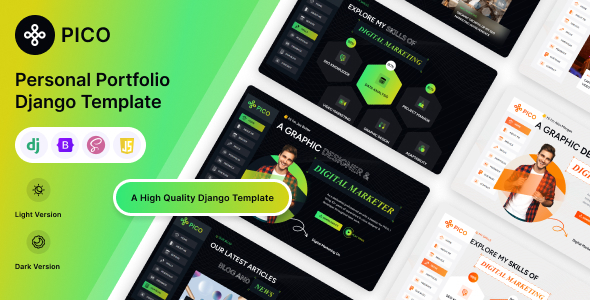
PICO is a minimalist Django personal portfolio template for developers, designers, and freelancers, offering clean layouts, dark/light modes, and Bootstrap integration.
PICO Django Personal Portfolio Template Overview
This PICO template is essentially a well-structured front-end HTML and CSS kit, built with Bootstrap, that's designed to be integrated into a Django project. It's not a complete Django application with pre-built backend logic or database models, but rather a set of static files and template structures ready for you to plug into your existing or new Django setup. The main problem it solves is the initial heavy lifting of designing and coding a responsive, modern front-end for a personal portfolio, allowing Django developers to focus on their backend logic and content management.
Intended Users: Who Needs This Django Portfolio Theme?
This template is ideal for freelance developers, web agencies, designers, and even artists or photographers who are already comfortable with Django and need a clean, fast front-end for their personal portfolio or client projects. If you're building a Django developer portfolio template and want to save time on UI design and responsiveness, this kit provides a solid foundation. It's particularly useful for those who appreciate a minimalist aesthetic and a well-organized codebase.
However, if you're new to Django or web development in general, this isn't a drag-and-drop solution. You'll need to understand how to integrate static files, manage Django templates, and implement your own backend logic for things like project management or blog posts. It's also not for those looking for a full-fledged CMS out of the box; it’s a starting point for a custom build.
Design and Visual Approach: Minimalist Aesthetics and RTL Support
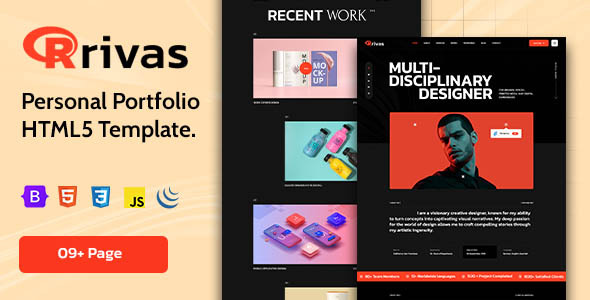
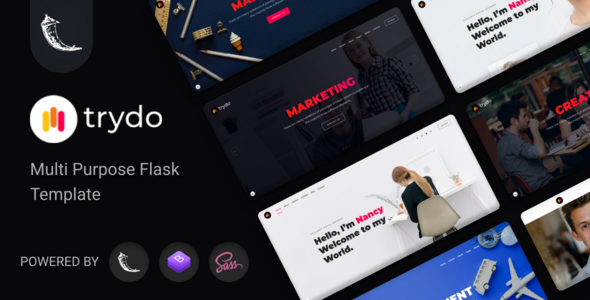
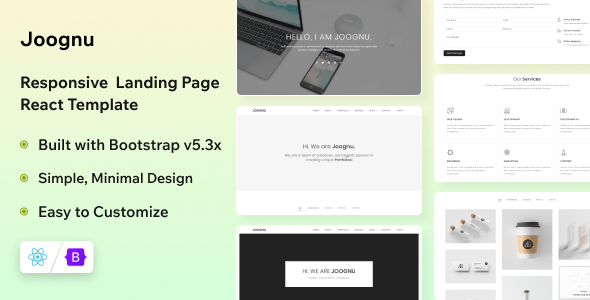
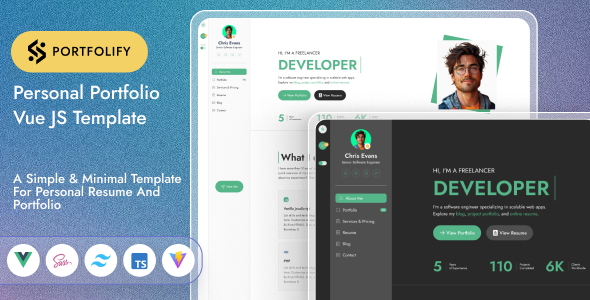
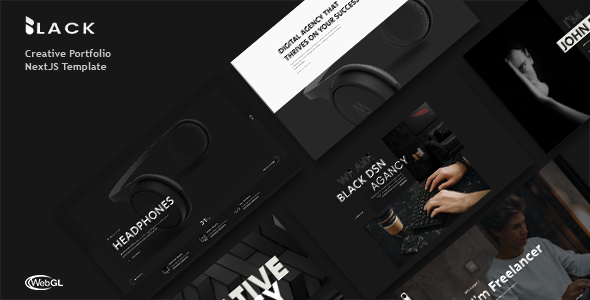
The design here is clean and leans heavily into a minimalist aesthetic, which means less visual clutter and a focus on content. It includes both dark and light demo versions, a nice touch that users often appreciate for readability and personal preference. The use of Google Fonts like Figtree and Font Awesome for icons is standard practice and keeps the visual assets lean.
A notable inclusion is RTL (Right-to-Left) support, which is often an afterthought in many templates. This shows attention to a broader audience and makes it a more versatile option for international projects, saving significant styling headaches down the line if you need to support languages like Arabic or Hebrew.
Layouts, Pages, or Components: What You Get Out of the Box
While the description doesn't list specific page counts, a personal portfolio template with a blog typically includes sections for an about page, a services or skills section, a dedicated portfolio or projects area, and a contact form. Given its focus, you can expect well-defined layouts for showcasing individual projects, which is critical for any portfolio site. The structure is built around common portfolio elements, making it easy to adapt for various types of creative or technical work.
Code Quality and Developer Experience: Integrating with Your Django Project
The template is built using Bootstrap, which means a familiar grid system and component library for most front-end developers. The claim of "well-commented code" and a "well-documented file structure" is crucial here. In our experience with similar frameworks, good documentation drastically reduces integration time and future maintenance costs for any personal portfolio template with Django backend. It means less time deciphering someone else's CSS and more time building your application.
The "easy to convert in any CMS" claim is a bit broad; it's a static front-end, so you'll always need to integrate it manually into a CMS's templating system, whether it's Django, WordPress, or something else. For Django, this means mapping the HTML sections to Django template blocks and including your static files correctly. It provides a solid foundation, but the integration work is still on you.
Responsiveness and Compatibility: Cross-Browser and Mobile Friendly
As expected from any modern template, PICO is fully responsive and mobile-friendly, ensuring your portfolio looks good across various devices, from desktops to smartphones. This is a basic requirement in today's web landscape, not a premium feature, but it's good to confirm it's handled correctly. Cross-browser optimization also means fewer surprises when testing on different browsers, which translates to a smoother user experience for your visitors.
SEO Readiness: Semantic Structure for Personal Portfolios
The "Valid HTML5 & CSS3" statement indicates a clean, semantic structure, which is a good starting point for technical SEO. Clean code generally leads to faster page load times, positively impacting Core Web Vitals and overall search engine ranking. While it doesn't offer specific SEO features, a well-structured HTML document is the foundation for search engines to properly index your content and understand your site's hierarchy, which is essential for a responsive Django portfolio theme.
Final Verdict: Is PICO a Smart Investment for Your Portfolio?
If you're a Django developer or an agency regularly building personal portfolio sites and need a solid, clean front-end to kickstart your projects, PICO is a smart investment. It saves you the initial design and front-end coding effort, providing a minimalist, responsive base that you can quickly integrate into your Django application. The clear code and documentation mean less friction during development, letting you focus on the unique aspects of your portfolio or client's work. While it's not a full-stack solution, it excels at providing a reliable and visually appealing front-end, making it a time-saver for anyone comfortable with Django integration.
FAQ
Is PICO a full Django application with a backend and database?No, PICO is a front-end HTML and CSS template designed to be integrated into a Django project; it does not include a pre-built Django backend, models, or database setup.
Can I easily add my own custom Django models and views to this template?Yes, the template provides the front-end structure; you will need to create your own Django models, views, and URL configurations to manage dynamic content like projects or blog posts.
How does the dark and light mode functionality work in PICO?The dark and light modes are typically implemented via CSS, often by toggling a class on the body element, which applies different styling rules for colors and backgrounds.
What level of customization is required to make this template unique?While the template is easy to customize in terms of colors and fonts, you will need to add all your specific content, projects, and potentially custom sections to make it truly unique to your portfolio.