Gameco is a raw HTML template for eSports and gaming websites, offering 4 demos, 50+ pages, and modern tech like Tailwind CSS. It's for developers building custom platforms.
Gameco: A Front-End Starter for Gaming Platforms
This isn't a WordPress theme or a full CMS. Gameco is a static HTML, CSS, and JavaScript package designed to kickstart the front-end of an eSports or gaming website. It provides a solid visual framework for common gaming-related content like teams, tournaments, live streams, and even marketplace layouts.
The core problem it solves is the initial design and front-end build for niche gaming platforms. Instead of starting from scratch with design and basic component development, you get a well-structured base that uses current front-end technologies. This saves a significant chunk of time on the visual layer, letting your team focus on backend integration and unique features.
Who This eSports HTML Template Suits Best
This template is ideal for agencies and freelance developers who need to deliver custom gaming website templates quickly. If you're building a bespoke platform where you control the backend logic, like a custom tournament management system or a unique gaming social network, Gameco provides a strong visual foundation.
It's also a good fit for developers comfortable working with modern JavaScript frameworks and build tools. However, if you're looking for an out-of-the-box solution with a content management system or pre-built dynamic functionality, this is not it. This is not for someone who expects to upload files and have a fully functional marketplace or community without writing server-side code.
Design Approach and Component Strategy
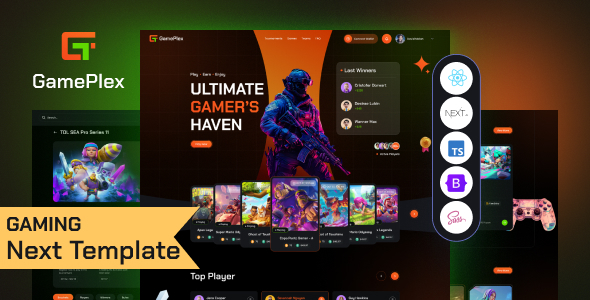
The design aesthetic is what you'd expect from a gaming template: dark, sleek, and action-oriented. It uses a lot of visual flair with animations powered by GSAP and AOS, which contribute to a dynamic user experience. These aren't just for show; well-implemented animations can make a site feel more responsive and engaging, which is important for gaming audiences.
The use of Tailwind CSS is a major plus here. It means the styling is utility-first, making it easier to maintain consistency and quickly adjust elements without digging through complex CSS files. For a developer, this translates to faster customization and less risk of breaking layouts when making changes. The component-based thinking enabled by Tailwind also lends itself well to building scalable front ends.
Extensive Page Layouts for Gaming Content
Gameco comes with an impressive number of static HTML pages, covering almost every aspect of a gaming site. You get four distinct home page demos, which is helpful for agencies pitching different visual directions. Beyond that, there are detailed layouts for:
- Team and Tournament pages, including brackets and leaderboards.
- Marketplace layouts for digital item sales.
- Community features like groups, forums, and profiles.
- Live streaming sections and media showcases.
These layouts provide a clear roadmap for what a comprehensive gaming website template for developers should include. They are visually complete, meaning you don't have to design these core pages from scratch.
Building Gaming Marketplaces and Community Features
While Gameco provides excellent front-end designs for marketplaces and community sections, it's crucial to understand these are static. The "marketplace" pages show product listings and details, but the actual purchasing, inventory management, and user accounts require significant backend development. The same applies to "community features" like forums, chat, and user profiles; these are visual representations that need to be hooked into a database and server-side logic.
This template excels at giving you the visual shell, which is often the most time-consuming part for designers and front-end developers. For a business owner, this means lower upfront design costs and a clear structure for their development team to follow when building out the dynamic features.
Developer Experience and Code Structure
From a developer's perspective, the inclusion of Webpack for asset bundling is a good sign. It helps manage JavaScript and CSS dependencies efficiently, leading to optimized file sizes and faster load times. This directly impacts Core Web Vitals, contributing to a better user experience and potentially better search engine rankings.
The project includes SCSS files, which means you can extend the Tailwind styling or add custom CSS using a preprocessor, offering more flexibility than plain CSS. Alpine.js for dynamic interactivity is a lightweight alternative to heavier JavaScript frameworks, making small interactive elements easy to implement without much overhead. The overall code organization feels standard for a modern front-end project, making it reasonably easy to navigate and extend.
Practical Limitations and What to Expect
The main limitation, as mentioned, is that this is purely an HTML template. There's no backend, no database integration, and no CMS. While it provides a fantastic visual foundation, you'll need a development team to integrate it with a server-side language (like Node.js, PHP, Python, Ruby, etc.) and a database to make any of the "dynamic" features truly functional. For example, the "achievements" page is a static display; the actual achievement tracking needs to be coded.
Another point is the extensive use of animations. While visually appealing, they can sometimes lead to performance bottlenecks if not handled carefully, especially on older devices. However, GSAP is generally well-optimized, so this is more of a general consideration for any heavily animated site.
Final Thoughts on Gameco for Your Next Project
If you're an agency or freelancer tasked with building a custom eSports or gaming platform from the ground up, Gameco offers a solid head start on the front-end. It provides a modern tech stack with Tailwind CSS, well-designed layouts for niche-specific content, and a good developer experience with Webpack and SCSS. You're buying a significant time-saver for the visual and structural aspects of your project, allowing your team to focus their efforts on the unique backend logic that differentiates your client's offering. It's a pragmatic choice for developers who understand its scope and are prepared to build out the dynamic functionality themselves.
FAQ
Is Gameco a WordPress theme or a CMS?No, Gameco is purely an HTML, CSS, and JavaScript template. It does not include a content management system like WordPress, nor does it have any built-in backend functionality.
Can I truly run an online gaming marketplace or community with this template out of the box?Gameco provides the visual layouts and front-end design for marketplace and community features. However, the actual functionality like user accounts, product listings, payment processing, or forum interactions requires significant custom backend development and database integration.
How difficult is it to customize the design and colors?Customization is relatively straightforward for a developer familiar with modern front-end tools. Since it uses Tailwind CSS, changing colors and adjusting styles often involves modifying the Tailwind configuration file or applying utility classes, which is generally faster than writing custom CSS from scratch.
Does this template come with any server-side code or database setup?No, Gameco is a static front-end template. It does not include any server-side code, database schemas, or pre-configured server environments. You will need to integrate it with your chosen backend technology and database.