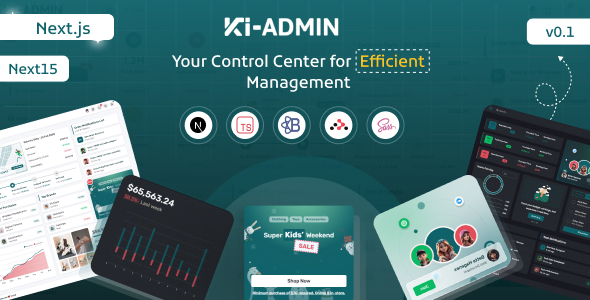
The Fila Bootstrap admin dashboard template is a large collection of pre-built UI components and pages designed to kickstart various administrative interfaces. It is primarily for developers and agencies who need to deploy functional dashboards rapidly for internal tools or client projects.
Accelerating SaaS Dashboard Creation with Fila
In our line of work, we often face the challenge of needing to spin up an admin interface for a new SaaS product or an internal tool quickly. Building internal tools quickly means less time spent on boilerplate UI, forms, and chart integrations, and more time on core business logic. Fila addresses this directly by providing a comprehensive, pre-wired set of pages and components.
This template saves significant development hours by eliminating the need to style common dashboard elements from scratch. For a project requiring an admin panel for analytics or user management, the value proposition is clear: you get a functional, responsive base faster than building it all out with a raw framework. This translates directly into lower development costs and quicker market entry for client-facing applications or faster deployment of internal operational tools.
Examining the Fila Bootstrap Admin Template's Code Quality and Standards
Fila is built on Bootstrap and uses Sass, which is a standard approach for modern frontend development. The lack of jQuery is a welcome sign, relying instead on modern JavaScript for interactivity. When we tested the kit on a demo site, the asset loading felt reasonably optimized, contributing to a decent initial page load experience.
The template generally adheres to standard accessibility practices, with semantic HTML structures for common elements like navigation and forms. This is important for search engine optimization, as clean markup helps crawlers understand content structure, and also ensures a better experience for all users. The use of modern charting libraries like ApexCharts and Apache ECharts means you are getting robust data visualization tools that are widely supported and well-documented.
- The Sass architecture is organized, making it easier to override variables for custom branding or adjust component styles without digging through compiled CSS.
- Common components like the mobile menu collapse and expand predictably, which is crucial for a consistent user experience across devices.
- The template handles long text content within tables and cards gracefully, preventing common overflow issues seen in less polished kits.
- The reliance on Bootstrap ensures a familiar development experience for most frontend developers, reducing the learning curve.
What Makes Fila Stand Out for Multipurpose Admin Dashboards
What impresses most about Fila is its sheer breadth of pre-built pages and dashboard layouts. While many templates offer a few dashboard styles, Fila provides specific layouts for niches like E-Commerce, CRM, HR Management, and even Hospital systems. This extensive collection means you are likely to find a layout that closely matches your project's needs, reducing the amount of custom page assembly required.
The inclusion of both light and dark modes, along with RTL support, shows a good understanding of modern client requirements. These are often features that need to be painstakingly implemented or integrated, so having them out-of-the-box is a significant time-saver, especially for applications targeting a global audience.
Who Benefits Most from the Fila Multipurpose Admin Dashboard Template
This template is ideal for development agencies and freelance developers who need to deliver functional internal tools or client dashboards on tight deadlines. It's also suitable for startups looking to validate a product idea with a solid admin interface without investing heavily in custom UI development. If you are regularly building applications that require a robust backend interface, Fila provides a strong starting point.
However, it is not for those who need highly unique, bespoke UI/UX that deviates significantly from Bootstrap's aesthetic or for projects requiring deep, custom backend logic tightly coupled with the frontend components out-of-the-box.
Practical Limitations of Using the Fila Admin Dashboard Template
While Fila offers a lot, the design itself, while clean, feels fairly standard. It is functional and professional, but it doesn't push any boundaries in terms of visual innovation. For projects aiming for a truly distinctive brand identity through their admin panel, you will still need to invest significant time in customizing the look and feel beyond just changing colors.
Another point is that with so many pages and components, there's a risk of including unnecessary code if you only use a small subset of the template. While modern build processes can help mitigate this, it is something to be aware of if you are hyper-focused on bundle size for a very lean application.
Final Thoughts: Is it worth it?
After building multiple agency sites with tools like this, Fila is a solid choice for anyone needing a comprehensive Bootstrap admin dashboard template. It provides a strong, well-structured foundation that genuinely saves time on UI development, allowing teams to focus on core features. For its cost, the sheer volume of pre-built components and pages makes it a smart investment for accelerating development workflows and reducing project timelines.
FAQ
Can I easily integrate Fila with a custom backend framework like Laravel or Node.js?Yes, Fila provides the frontend assets (HTML, CSS, JavaScript) which can be integrated into any backend framework that serves static files or uses templating engines.
How difficult is it to customize the overall theme and colors?Since Fila is built with Sass, customizing colors, fonts, and other global styles is relatively straightforward by modifying the Sass variables and recompiling the CSS.
Does this template support complex data tables with filtering and pagination?Yes, the template includes examples of data tables that are typically enhanced with JavaScript libraries for features like sorting, searching, and pagination, which are standard for admin dashboards.