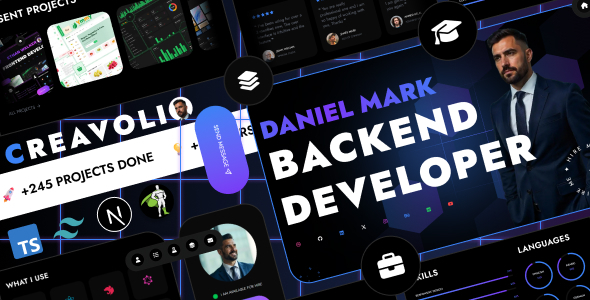
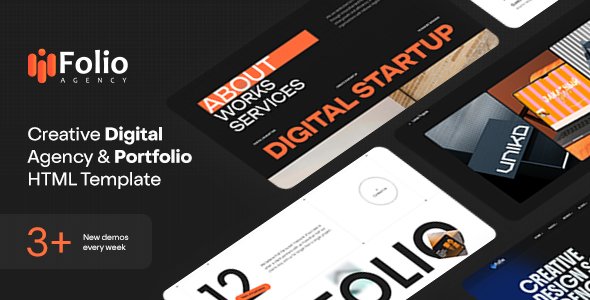
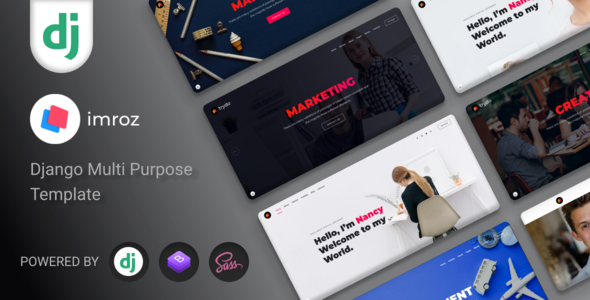
ZenG is a personal portfolio Next.js template built with React and TypeScript, designed for developers and designers who need a quick, modern base for showcasing their work.
Solving the Pain of Building a Modern Developer Portfolio from Scratch
If you have spent any time trying to get a professional portfolio site up quickly, you know the grind. Setting up a modern stack like Next.js with React and TypeScript, then styling it all, can eat up days, if not weeks, of valuable time. This ZenG personal portfolio Next.js template directly addresses that headache by providing a solid, pre-built foundation.
For freelancers or agencies needing fast client-facing websites, this means less time on boilerplate and more time focusing on populating the site with actual projects. It solves the initial setup and styling burden, letting you jump straight into content, which is where your value truly lies.
A Look at the ZenG Next.js Template's Technical Standards and Structure
The template is built on a current tech stack, using React and Next.js, along with TypeScript. This choice alone suggests a commitment to modern web development practices, which translates into a more maintainable and performant site. The semantic HTML structure is clean, which is good for search engine optimization without needing extra work, helping your portfolio rank better.
In our experience with similar frameworks, Next.js typically handles asset loading efficiently, using its built-in image optimization and intelligent code splitting. This contributes positively to Core Web Vitals, meaning faster load times and a better user experience, which clients appreciate and search engines reward. The styling is managed with SASS, which is a standard choice for organized and scalable CSS, making it easier to customize themes or add new components down the line without creating a mess.
- The use of Next.js means good performance out of the box, with server-side rendering or static generation benefits for initial load times, making your site feel snappy.
- TypeScript integration provides better code maintainability and fewer runtime errors, which is a big plus for future updates and lower long-term maintenance costs.
- SASS for styling keeps the CSS organized and scalable, making it easier to adjust themes or add custom styles without fighting specificity.
- The dark/light mode toggle is a well-implemented feature, often overlooked or poorly done in other templates, providing a polished user experience.
- GSAP animations are generally smooth and performant, avoiding janky transitions that can plague cheaper templates, ensuring a professional feel.
- Layouts are responsive by default, handling various screen sizes well without needing significant rework, which means a consistent experience across devices.
What ZenG Next.js Portfolio Does Well for Developers
What impresses most about ZenG is its commitment to a modern development workflow. You get a fully functional personal portfolio starter with TypeScript, Next.js, and React, which is a solid foundation. The inclusion of multiple homepage layouts and a dark/light mode toggle provides immediate flexibility, which can save a lot of time on initial design choices. The code organization is sensible, making it straightforward to navigate and modify if you are comfortable with the stack.
Who Should Consider This Next.js Portfolio Template
This template is ideal for freelance developers, web designers, or small agencies looking for a fast way to deploy a professional online presence for themselves or their clients. If you are already familiar with the React and Next.js ecosystem, you will find this an efficient starting point. However, if you are new to React or Next.js, or if your project requires extensive custom backend logic beyond a typical portfolio site, this template might be a steeper learning curve than you expect.
Limitations and What Could Be Improved in ZenG
While ZenG offers a strong technical base, it is still a template. Content updates primarily involve editing code, which is standard for this type of product but means it is not a solution for clients who need a full content management system. The layouts are clean and functional, but they do not push any major boundaries in terms of unique design elements; they feel competent but not groundbreaking. I would have liked to see a more opinionated approach to data fetching for portfolio items, perhaps with hooks ready for a headless CMS integration, even if the CMS itself isn't included.
Final Thoughts: Is it worth it?
For anyone needing to quickly launch a performant, modern personal portfolio or a similar client site, ZenG is a genuinely useful tool. The time saved on initial setup, component creation, and styling with a robust stack like Next.js and TypeScript makes it a smart investment. It provides a solid, clean foundation that you can build upon without having to untangle bloated or outdated code, ultimately saving you development time and effort.
FAQ
Can I easily integrate a headless CMS like Contentful or Sanity?Yes, the component-based structure of React and Next.js makes it relatively straightforward to refactor data fetching to pull content from a headless CMS, though you will need to implement the API calls yourself.
Is the template optimized for search engines?The template uses Next.js, which provides excellent SEO benefits through server-side rendering or static site generation, along with clean semantic HTML, giving it a strong foundation for search engine visibility.
How difficult is it to change the primary colors and fonts?Changing primary colors and fonts is manageable due to the SASS styling; you would typically adjust variables in the SASS files, which then propagate across the entire template.
Does this template support server-side rendering for blog posts?As a Next.js template, it inherently supports server-side rendering (SSR) or static site generation (SSG) for pages, including blog posts, which improves initial load performance and SEO.