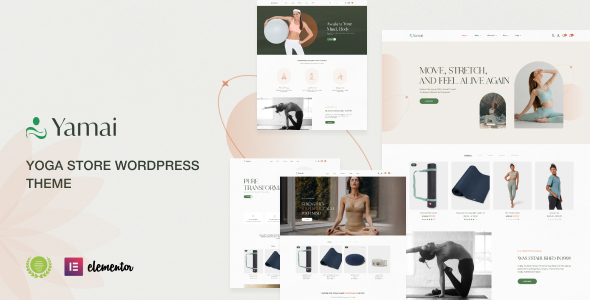
The Yamai Yoga Store WordPress Theme is an Elementor-based WooCommerce theme designed for businesses selling yoga-related products or services, especially those considering a multi-vendor setup.
Evaluating Yamai's Multi-Vendor WooCommerce Capabilities
This theme aims to make the initial setup for a yoga studio or related ecommerce site straightforward, particularly if a multi-vendor marketplace is part of your future plans. It leans heavily on Elementor for page building, which generally means faster site creation for agencies or small business owners who prefer visual editing over custom code. For those specifically looking for a WordPress theme for yoga studio needs, the pre-built layouts and product display options can save a good chunk of design time.
Developer's Take on Yamai Theme Code Structure and Standards
Yamai is built on Bootstrap, a widely used front-end framework. In our experience with similar frameworks, this usually means a predictable, though not always the leanest, CSS structure. It allows for quicker development of common components but might require more effort to override specific styles if deep customization is required. The theme's integration with Elementor means much of the layout logic resides within the page builder's output, rather than solely in theme-level PHP templates.
The multi-vendor compatibility is handled by supporting popular plugins like MultiVendorX, Wc Vendors, and Dokan. This is a standard and practical approach, as complex vendor management logic is best managed by dedicated plugins. The implication is that specific vendor dashboard styling or functionality will be configured through the plugin's settings, not directly via the theme options. This separation is beneficial for long-term maintenance, as theme updates are less likely to break critical vendor features. For anyone building a multi-vendor WooCommerce setup, this approach simplifies the integration.
- The theme's dependency on Elementor allows for quicker visual builds, but it often leads to a heavier page load compared to a purely custom-coded site, which can impact Core Web Vitals.
- For accessibility, it adheres to standard WordPress and WooCommerce practices, offering a clean semantic structure for product listings and content areas, which also benefits search engine optimization.
- Asset loading feels fairly standard for an Elementor theme; expect to optimize images and leverage caching for optimal page performance.
- The organization of theme-specific CSS, beyond Elementor's output, appears reasonably structured, which helps in identifying and modifying styles for a developer.
- The mobile menu behavior is typical, offering a collapsible navigation that adapts well to smaller screens, ensuring a consistent user experience across devices.
Yamai's Strengths for Niche Ecommerce Development
What stands out here is the focus on niche-specific components useful for a yoga or wellness store. Features like product sticky details, frequently bought together sections, and product 360-degree views are genuinely helpful for an ecommerce website template. The comprehensive search functionality, allowing filtering by categories, brands, price, and custom specifications, is a solid feature for improving conversion rates. The one-click demo import is a standard time-saver for initial setup, getting you to a functional site faster.
Who Yamai is Built For and Who Should Consider Alternatives
This theme is well-suited for agencies or freelancers needing to rapidly deploy a yoga or wellness ecommerce site with an Elementor-based workflow. It's also a good fit for small business owners who want a visual builder and the option to add multi-vendor functionality later without starting from scratch. It is not for those needing deep, custom backend logic or a completely bespoke design that avoids page builders.
Practical Limitations of the Yamai WordPress Theme
One area that feels standard is the overall design aesthetic. While clean and functional, it doesn't push any boundaries; it's a safe choice rather than a groundbreaking one. The "Multi-Purpose Design" claim often translates to a broader feature set than strictly necessary for a specific niche, potentially leading to some feature bloat. The reliance on Elementor, while a strength for development speed, means you're tied to that ecosystem for significant layout changes, which can be a trade-off for ultimate performance optimization.
Final Thoughts: Is it worth it?
If you're an agency or developer tasked with building an Elementor-based multi-vendor WooCommerce setup for a yoga or wellness client, Yamai offers a solid head start. The pre-built components and multi-vendor compatibility save significant development time on common ecommerce features. It's a pragmatic choice for getting conversion-ready funnels online quickly without reinventing the wheel.
FAQ
Does this theme fully integrate multi-vendor features into its core?No, the theme provides compatibility with popular multi-vendor plugins like Dokan or MultiVendorX. The actual vendor management and specific dashboard functionalities are handled by those plugins.
How does the theme handle performance, given its Elementor dependency?Like most Elementor themes, initial page weight can be higher. You will need to implement standard optimization practices like image compression, caching, and possibly a CDN to achieve optimal Core Web Vitals scores.
Can I easily change the overall color scheme of the yoga store website?Yes, the theme includes a powerful theme options panel that allows for global color changes, typography adjustments, and layout modifications without needing to dive into CSS files.
Is the product search functionality robust enough for a large inventory?The theme offers extensive search filters based on categories, attributes, and price ranges, which is sufficient for most medium to large ecommerce inventories, improving the user experience for finding specific yoga products.